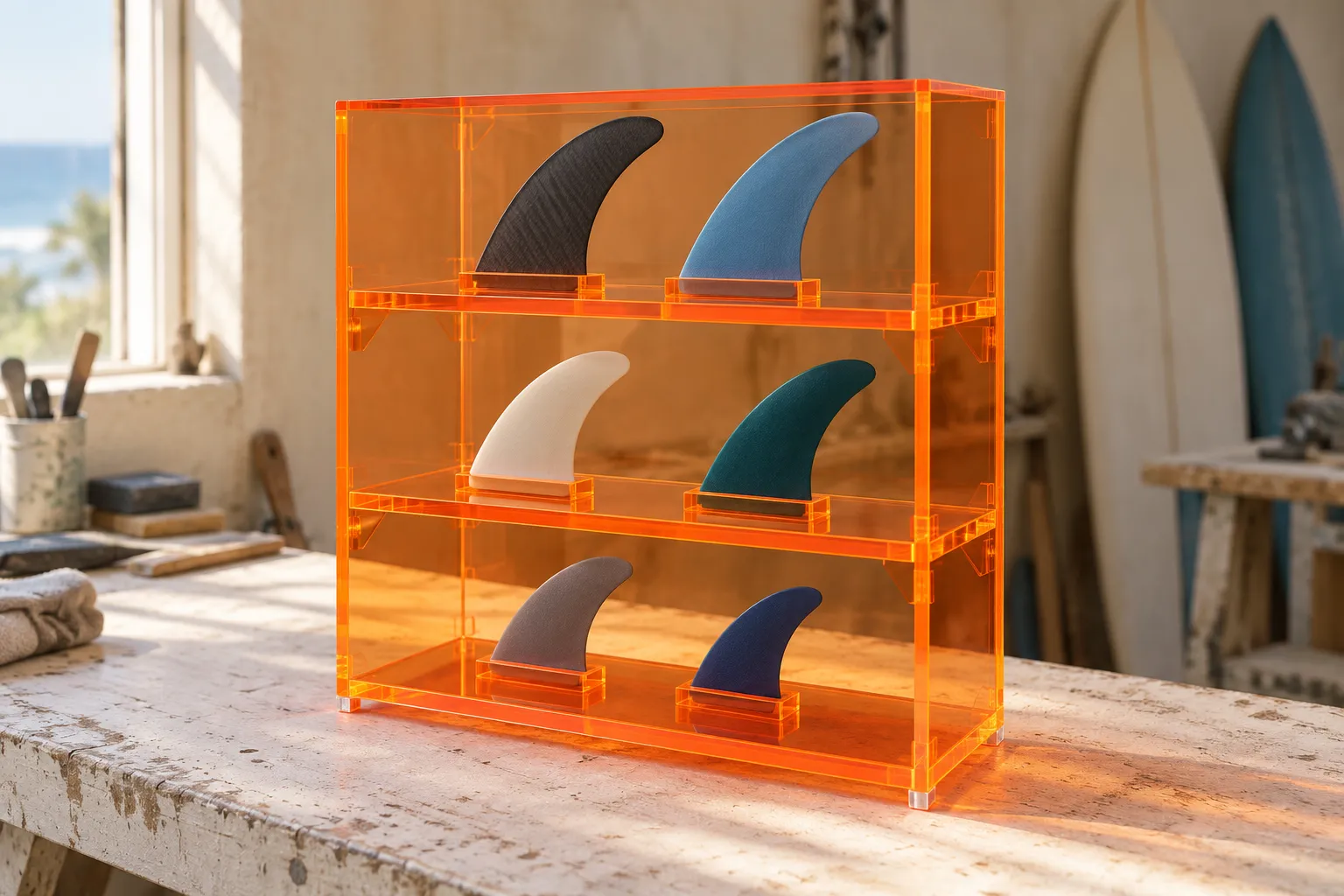
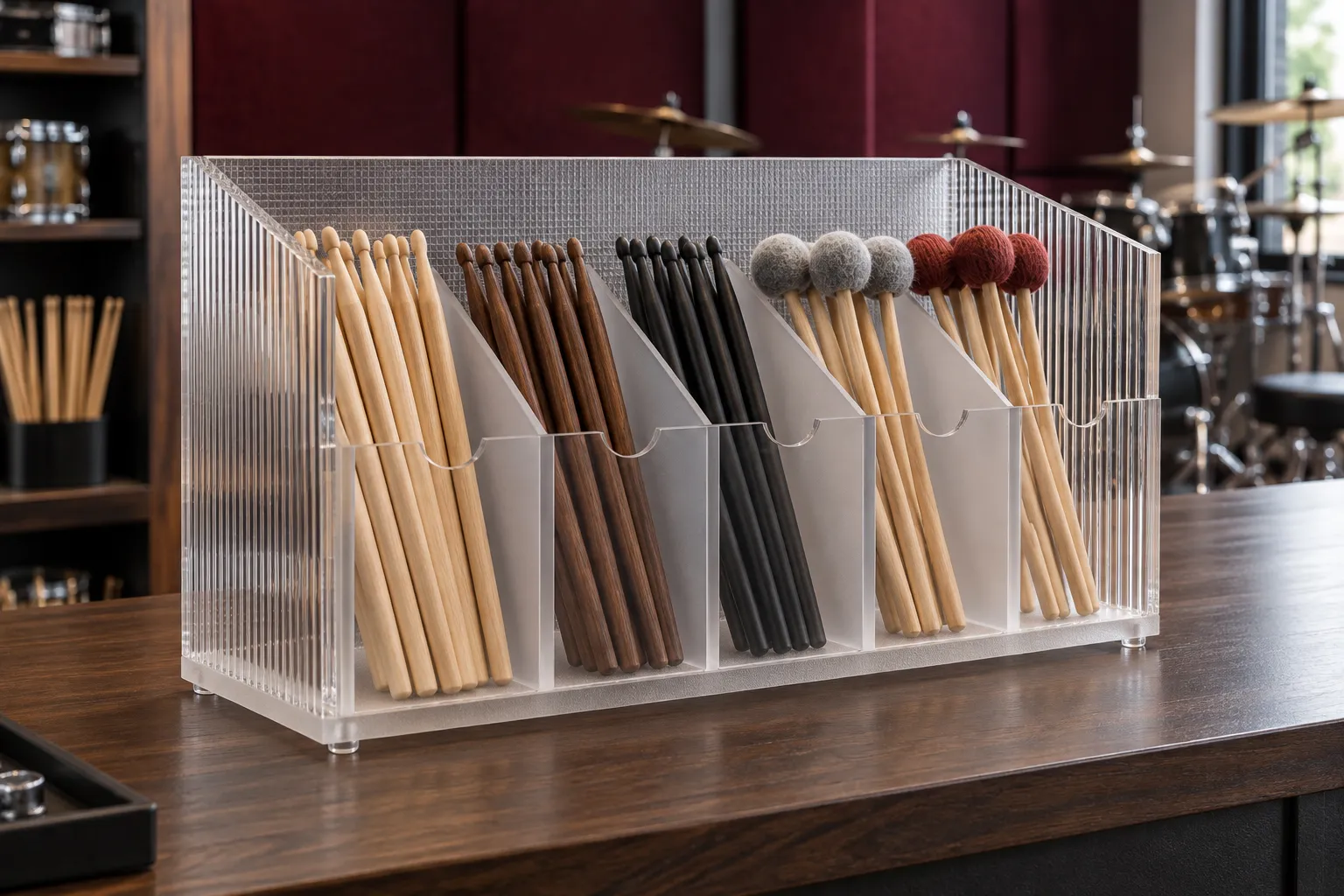
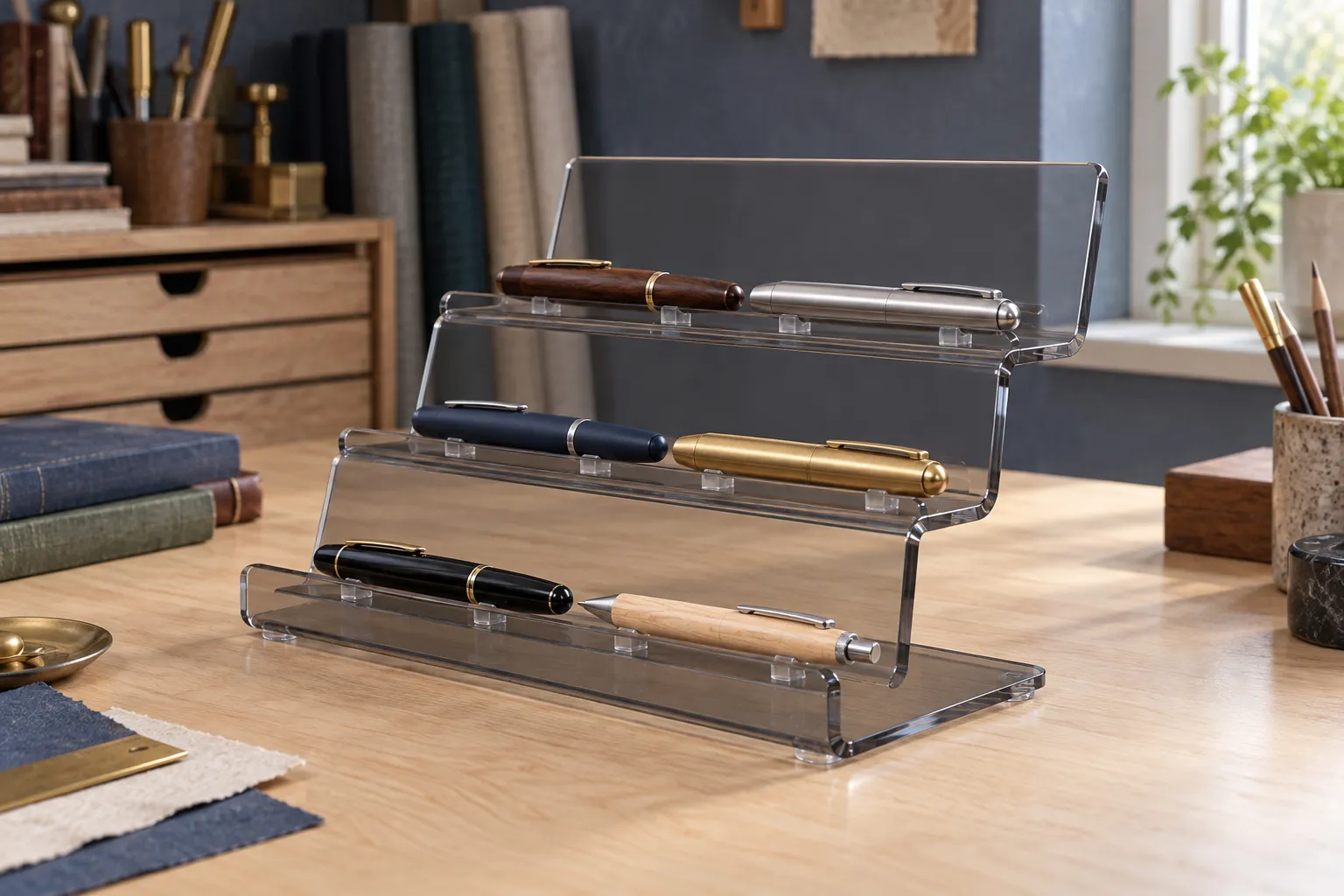
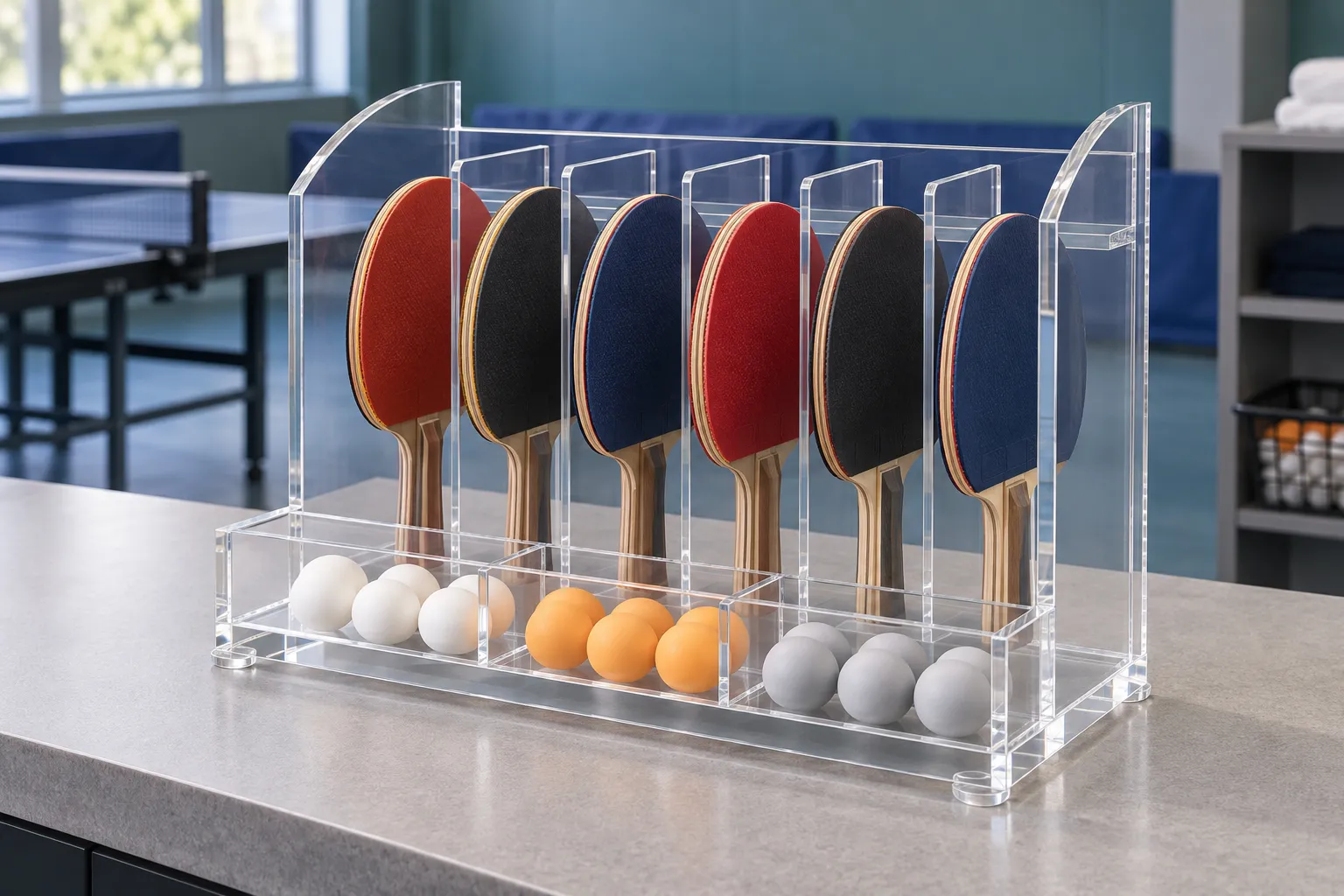
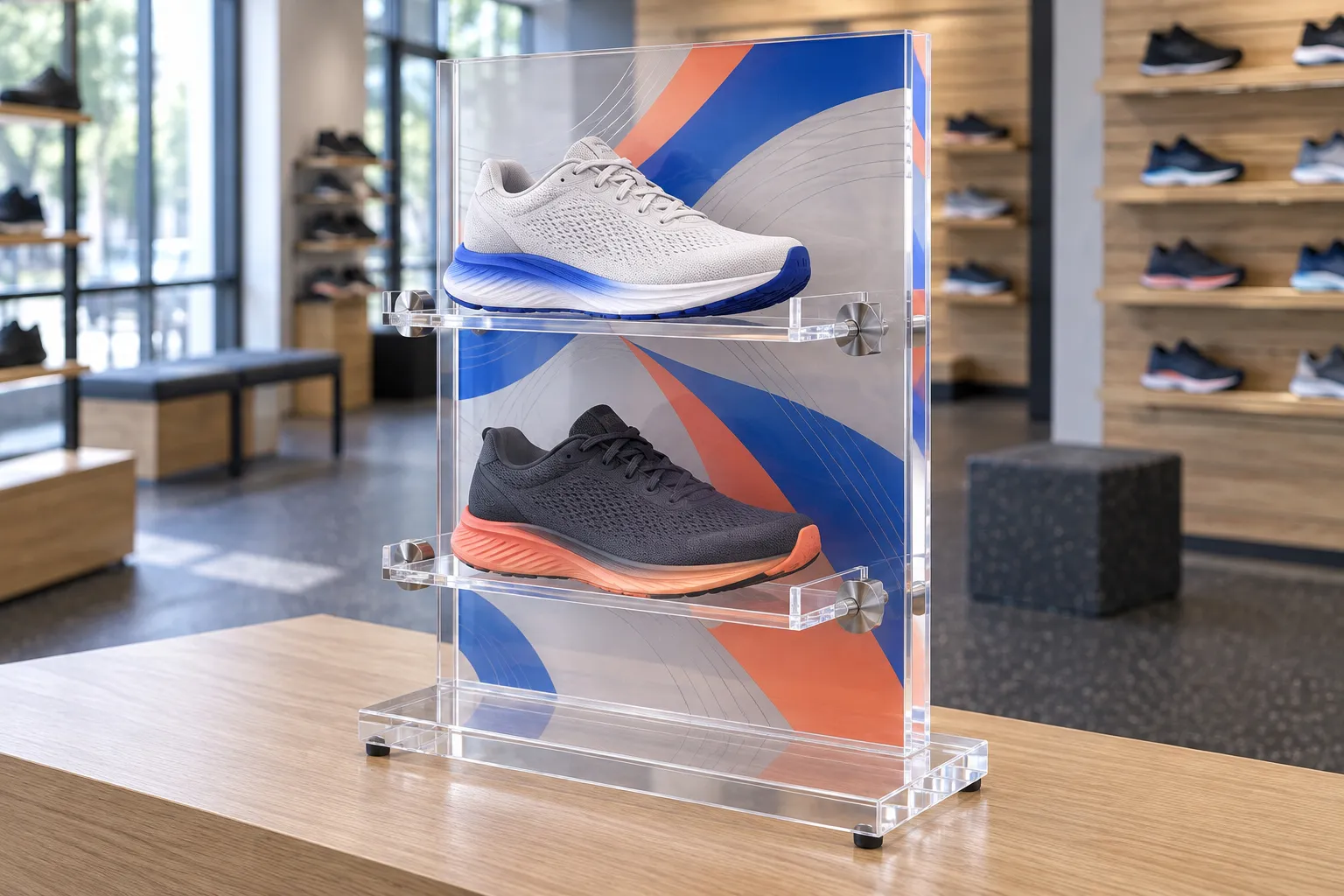
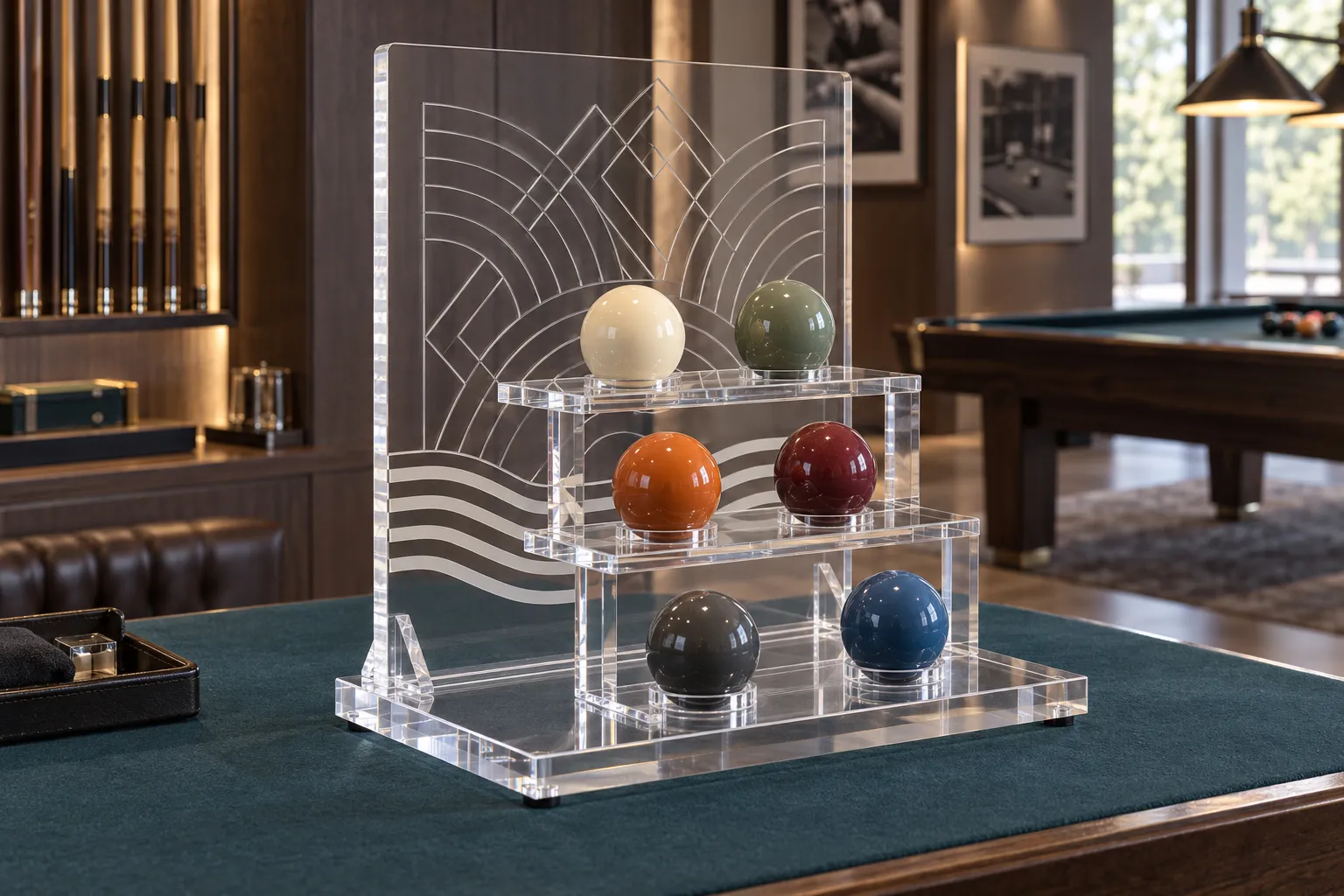
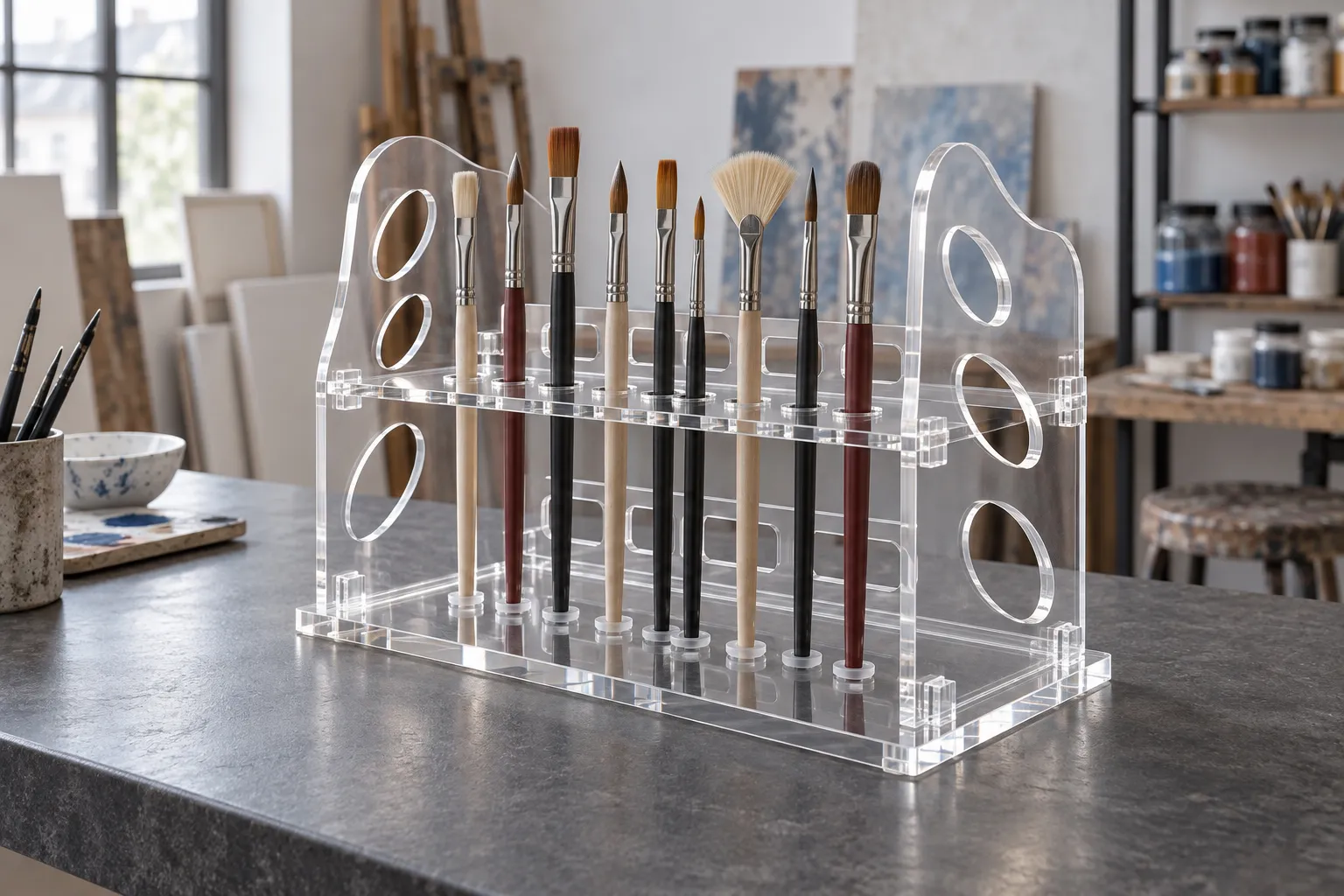
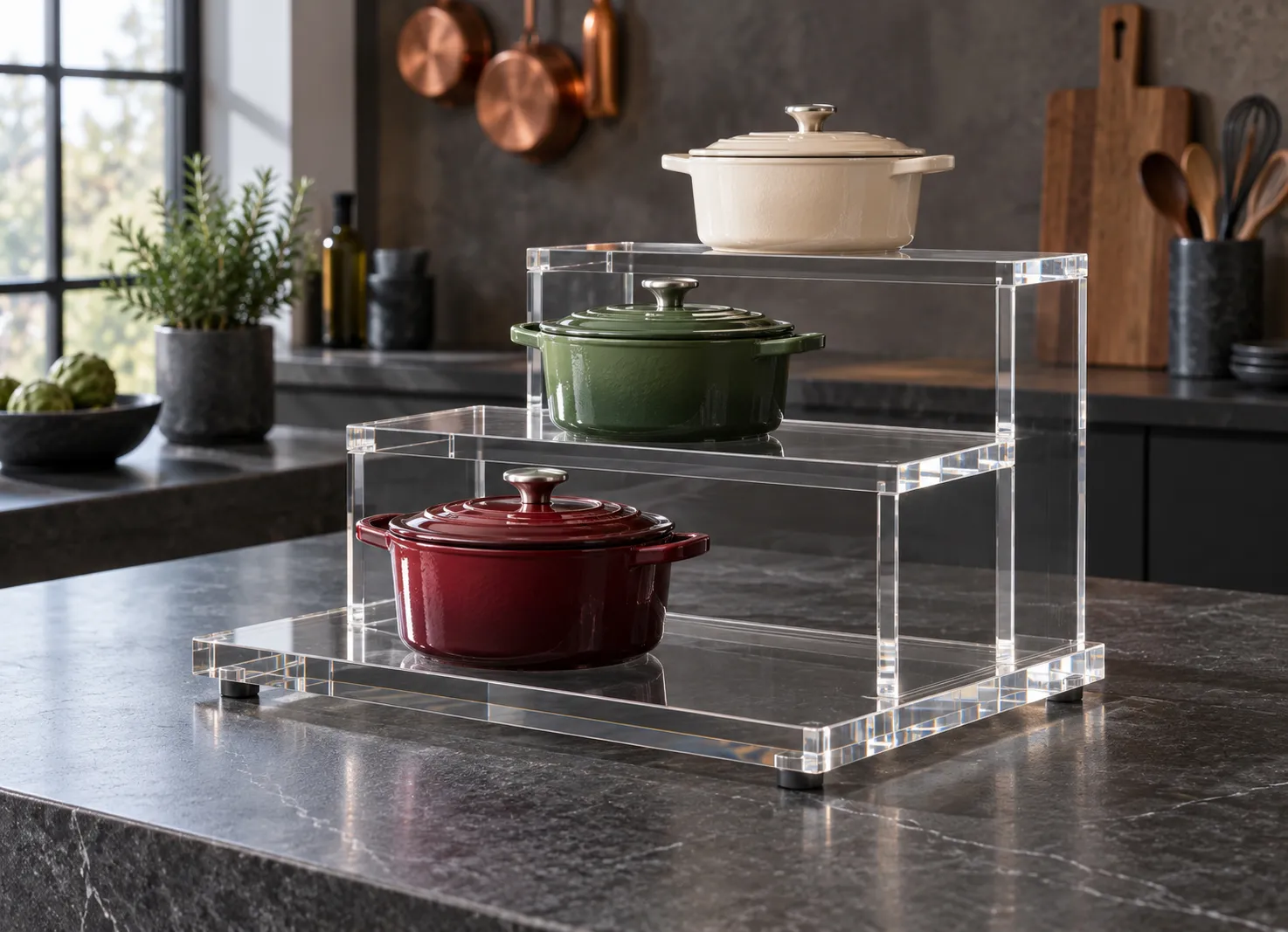
CUSTOM ACRYLIC DISPLAY MANUFACTURER Plexiglass Display

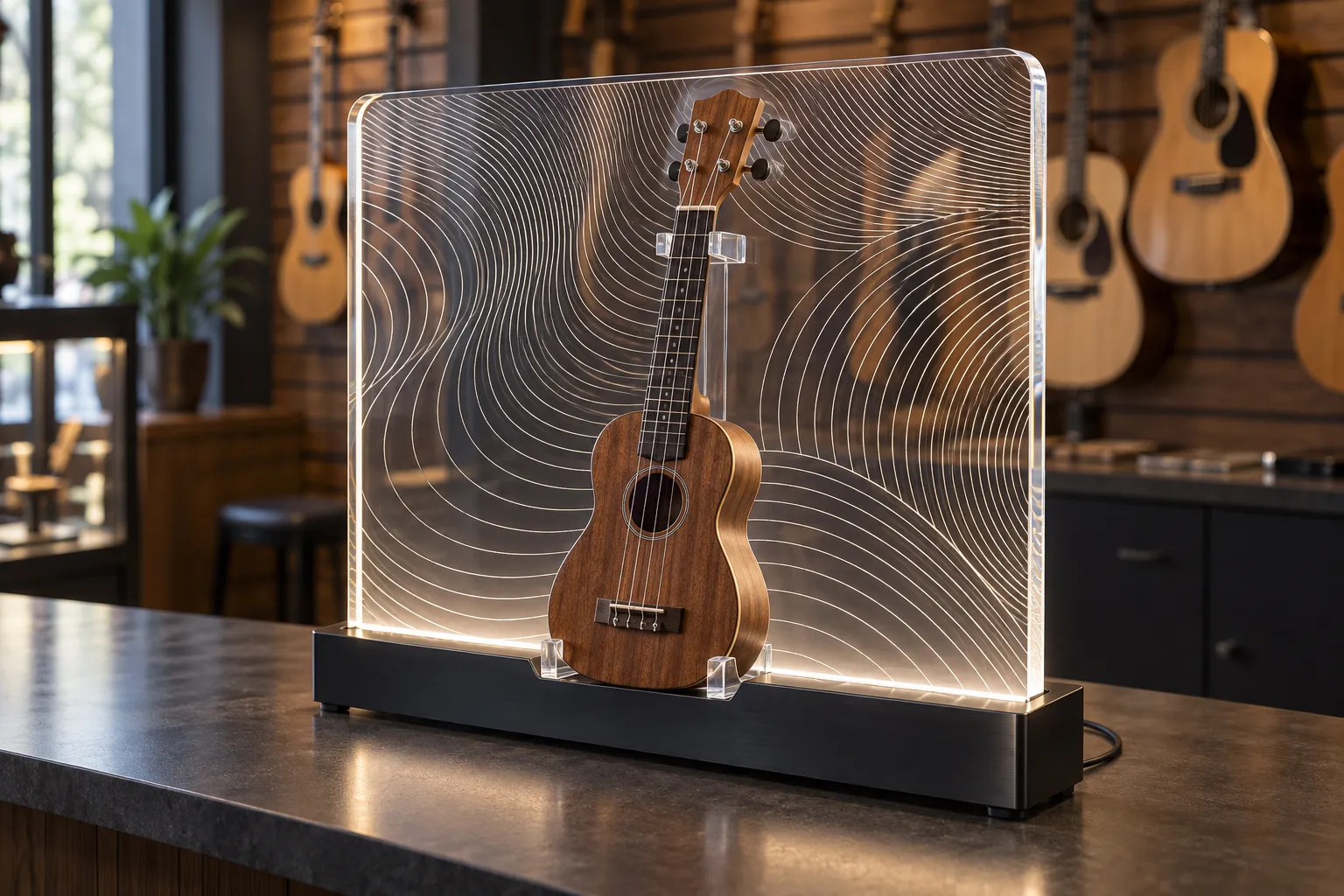
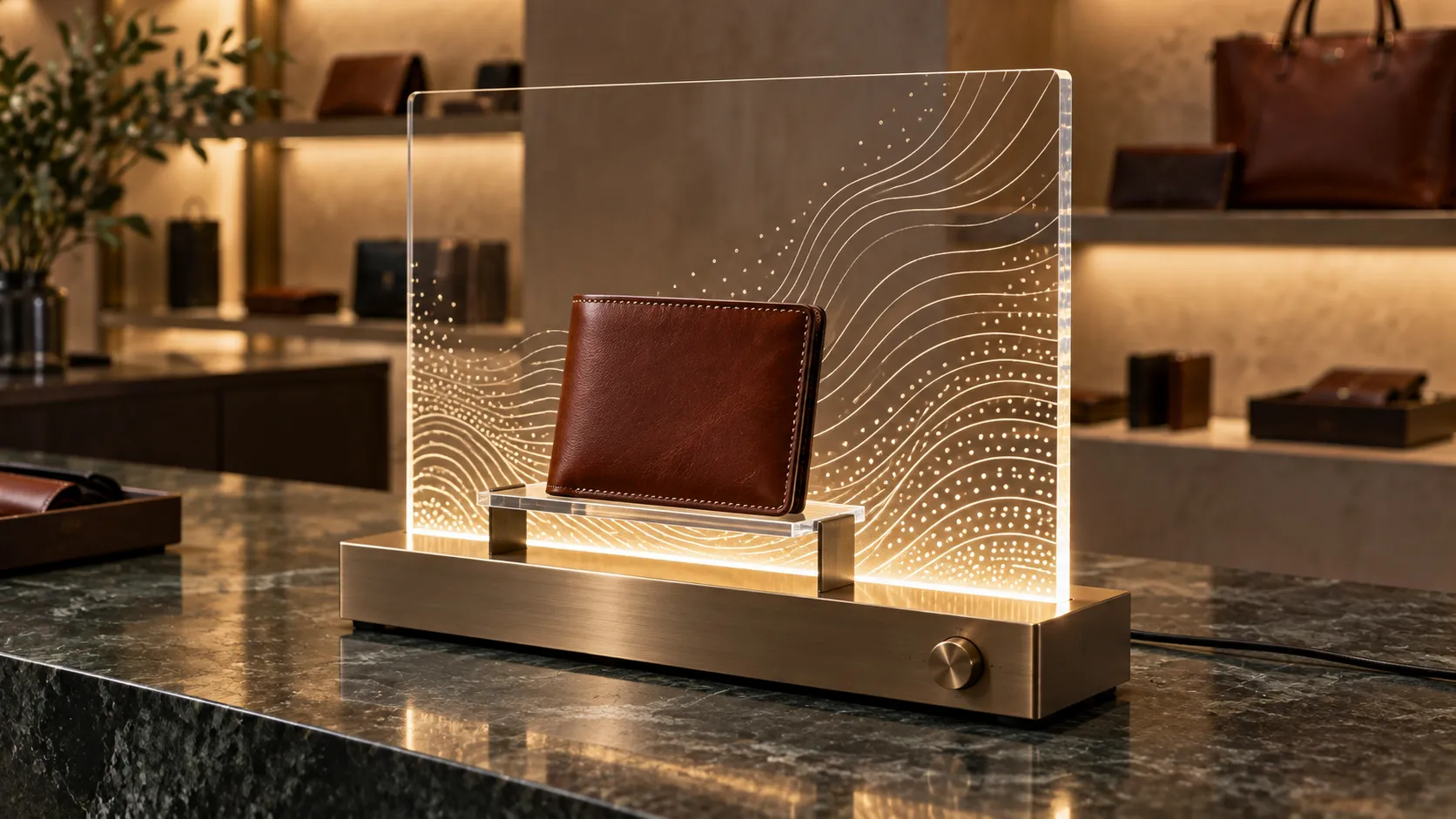
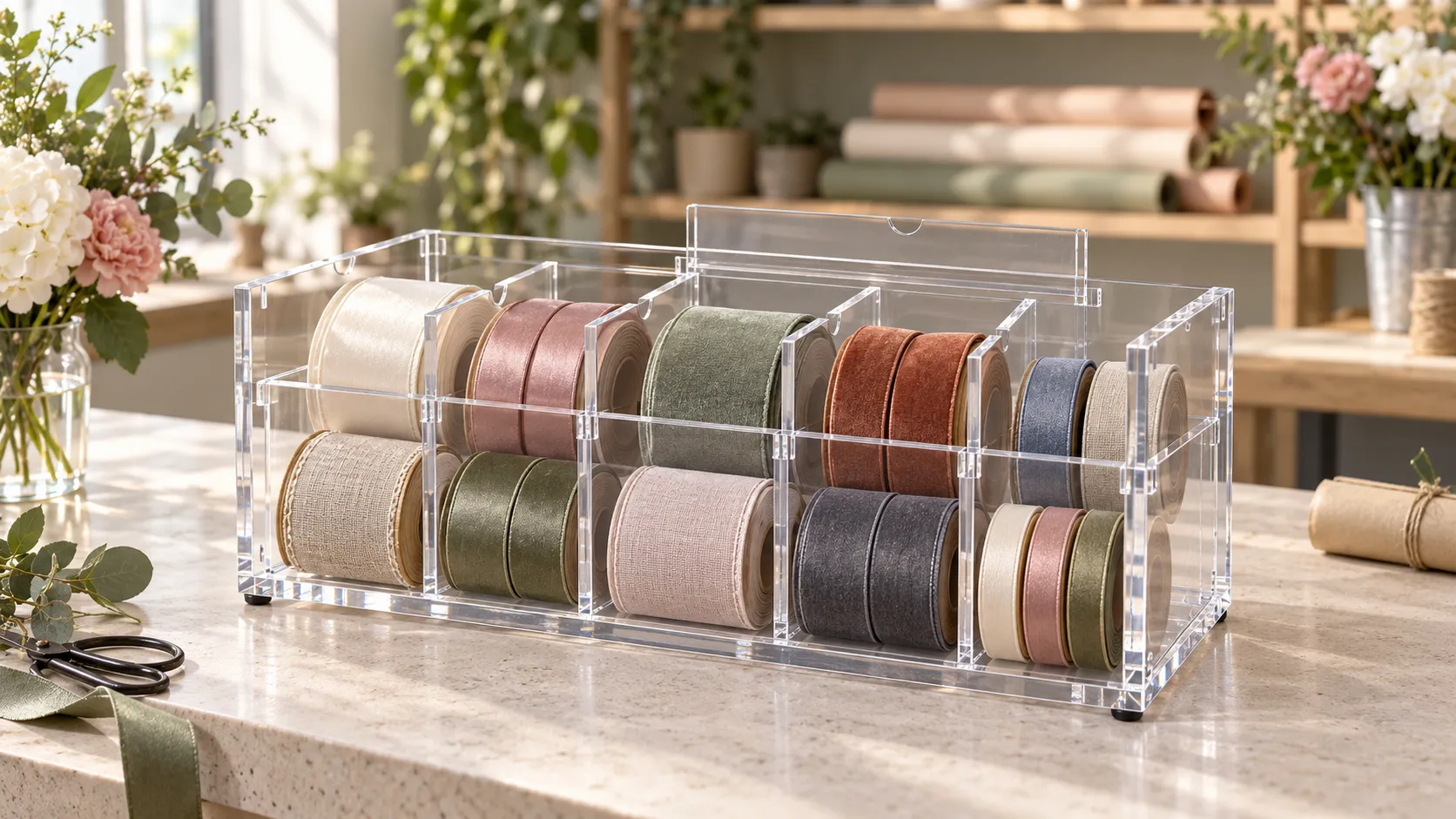
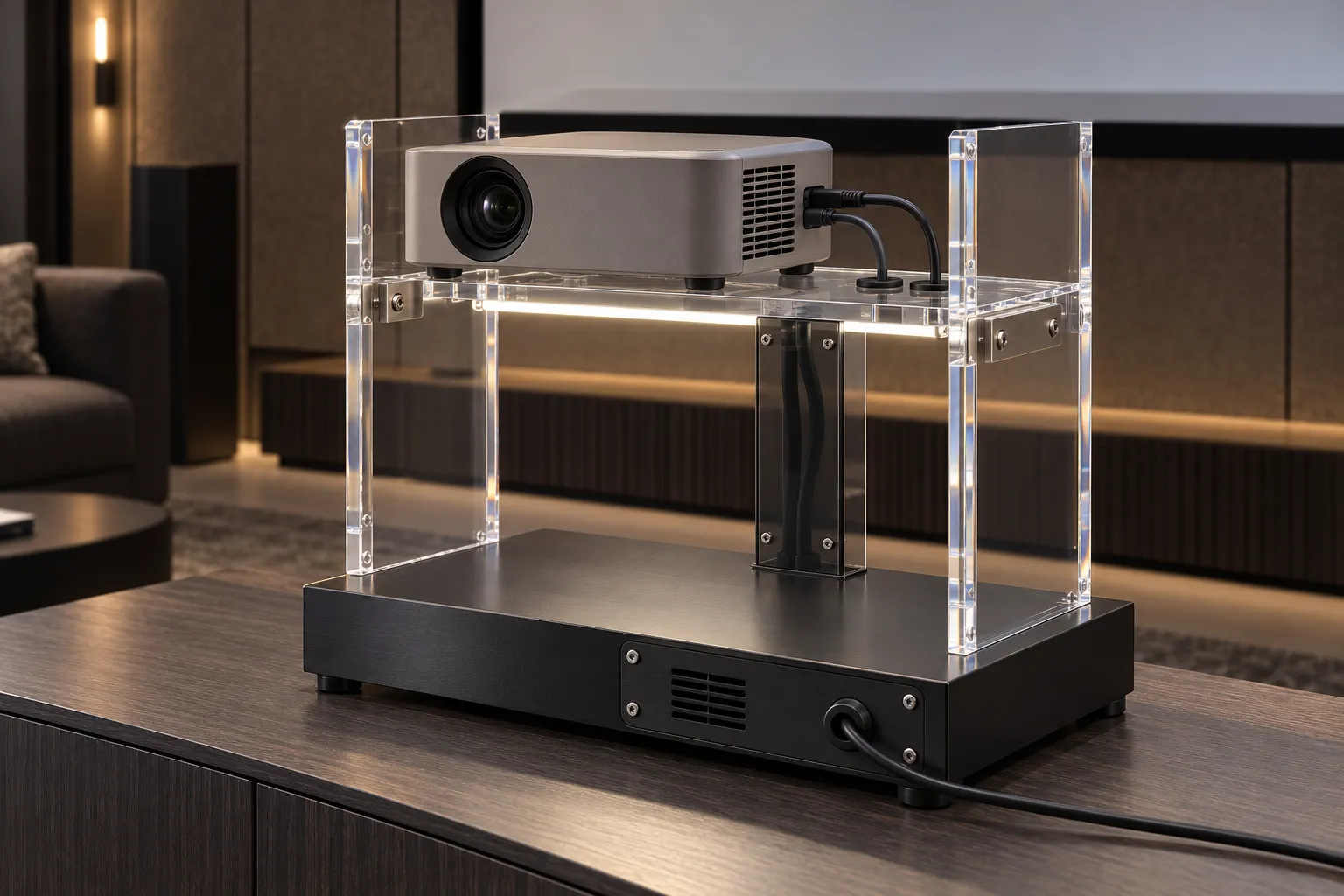
Custom plexiglass displays built around your product dimensions, load, branding and installation method. Choose countertop, wall-mounted or freestanding stands, risers, cases and sign holders in clear, frosted or colored acrylic, supplied fully assembled or knock-down.

MOQ 1 Set
Production 3–5 Working Days
Custom Options Size, Shape & Finish
Project Approval Drawing or Sample

Send a drawing, sketch, product photo or dimensions.

Custom plexiglass display and acrylic products for retail presentation

Custom Acrylic Displays Manufacturer

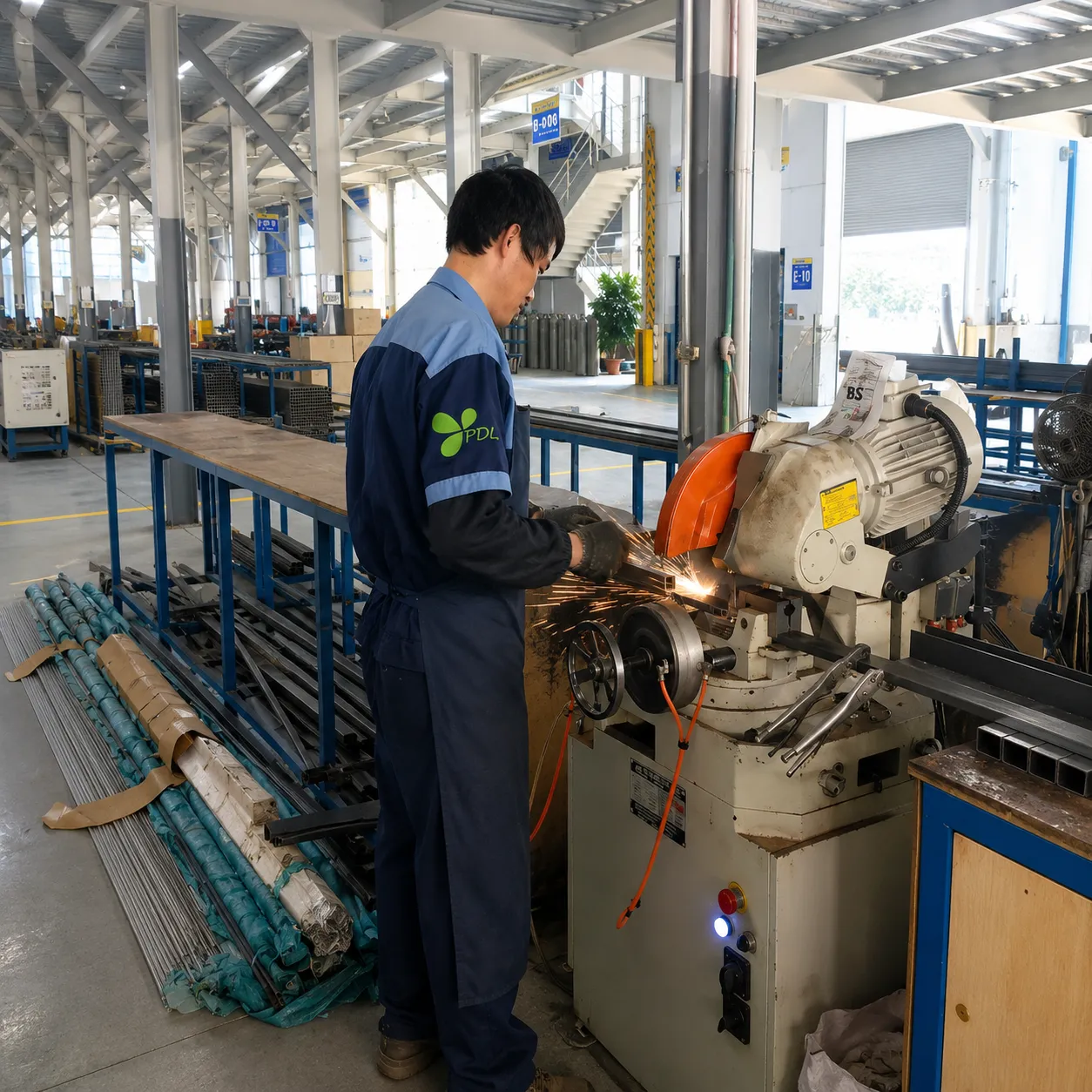
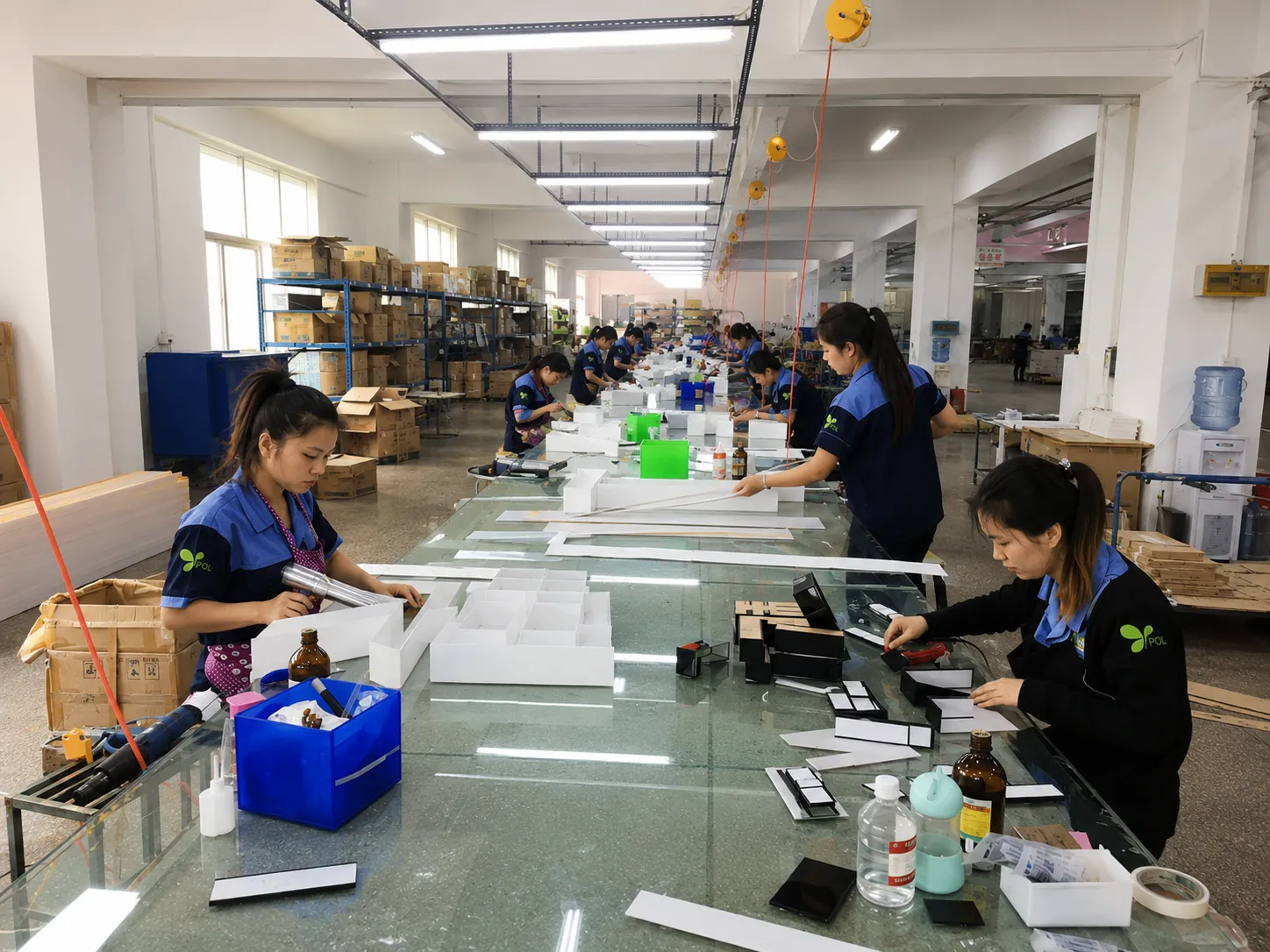
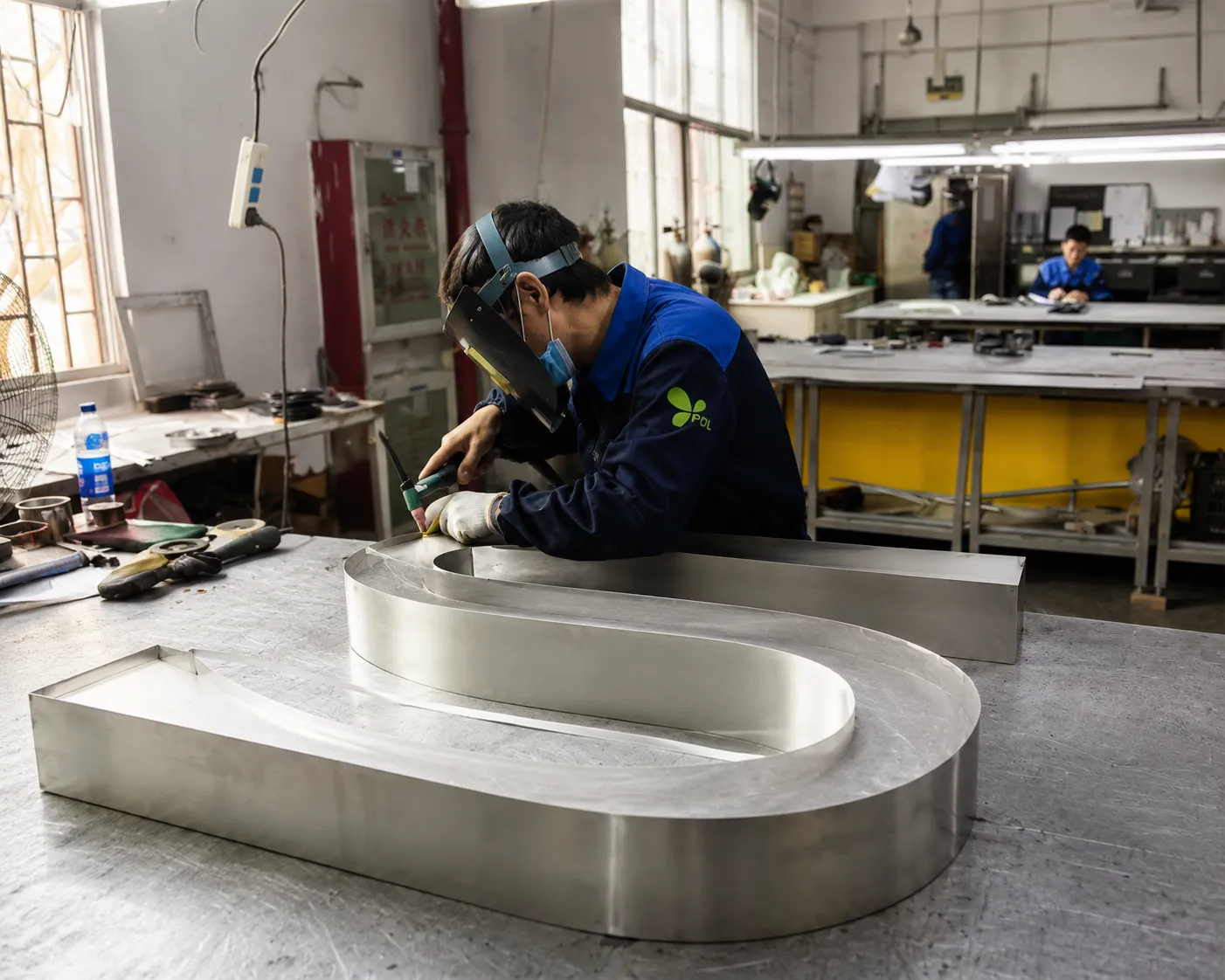
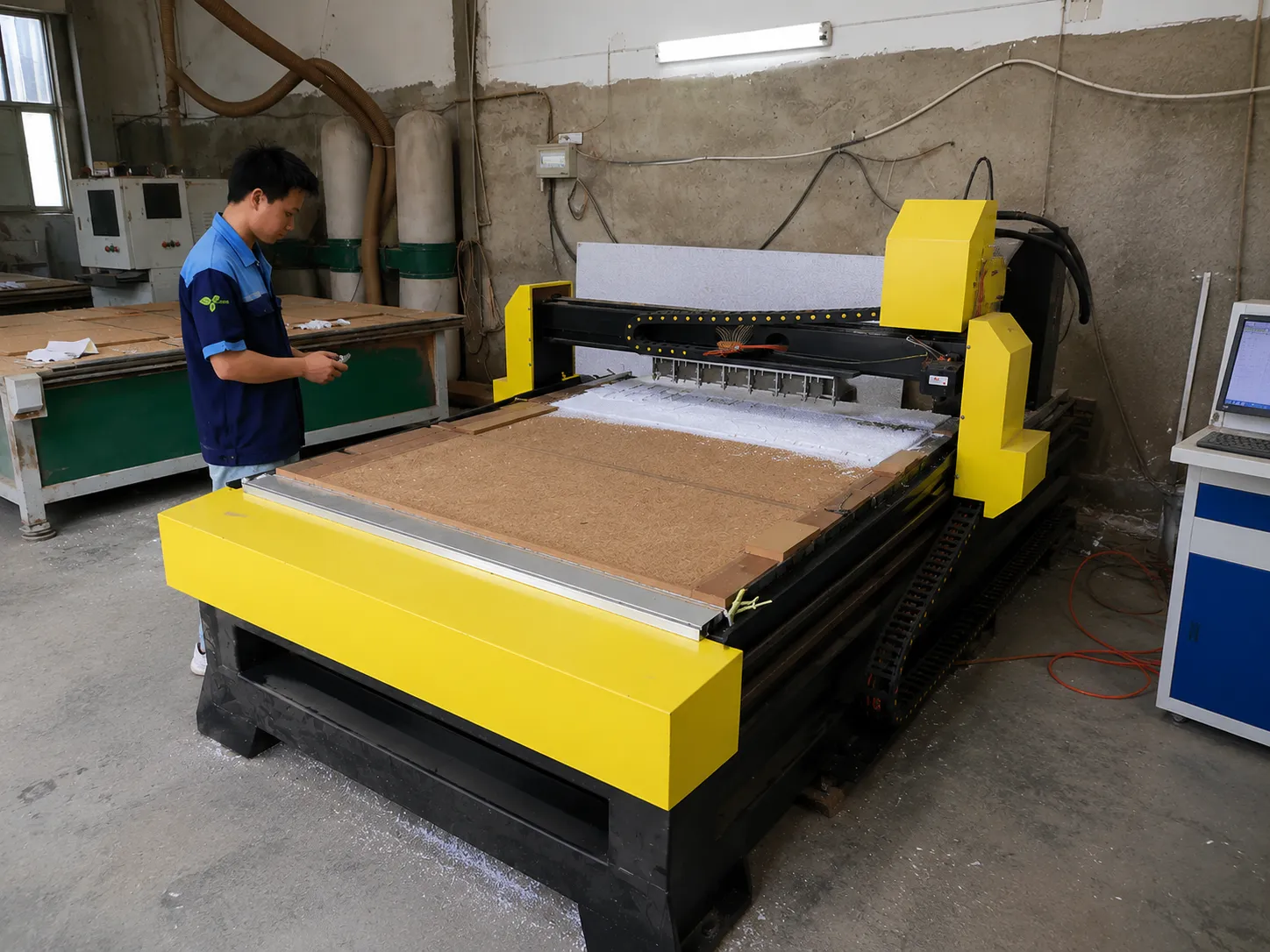
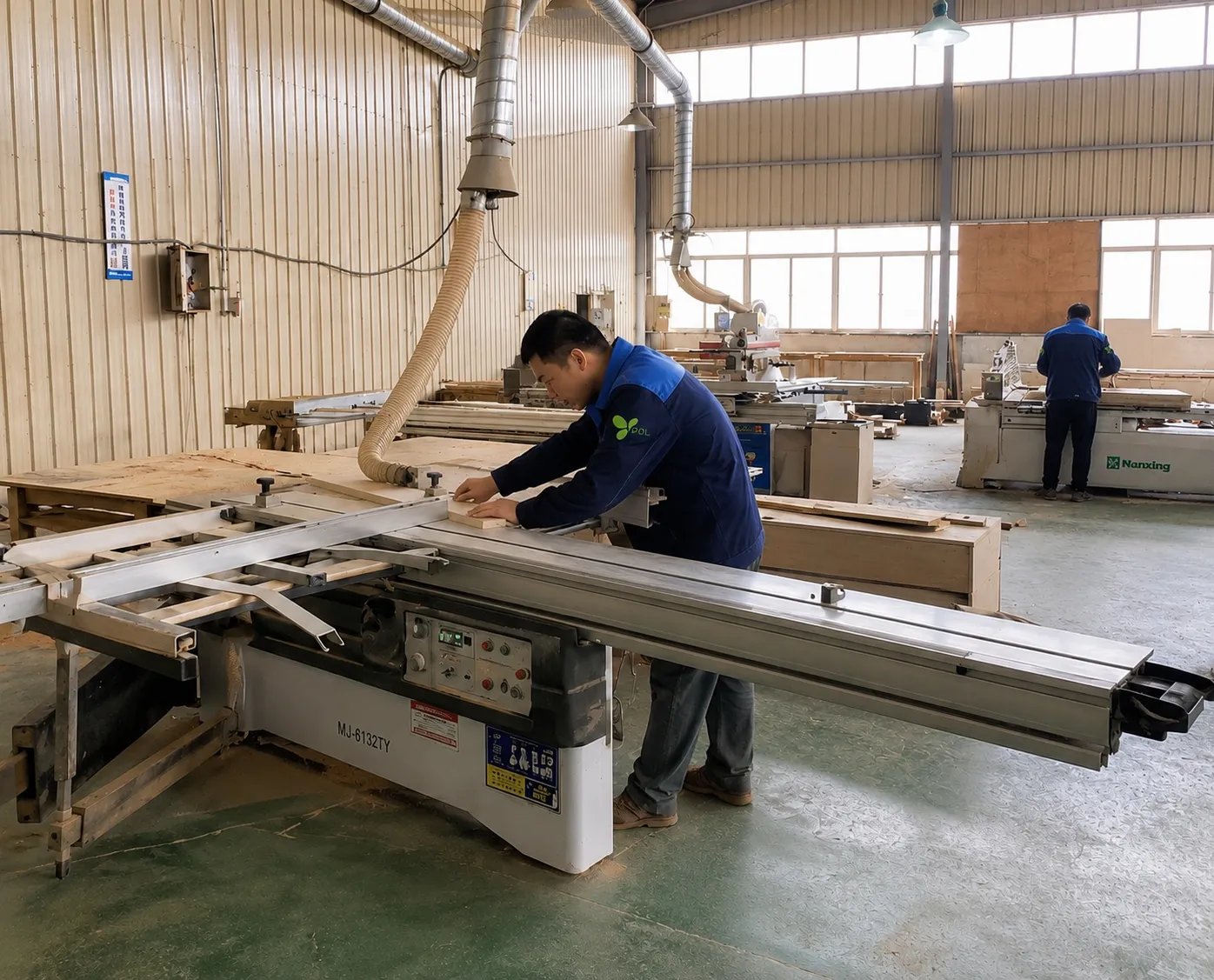
As a direct manufacturer and factory with 20 years of experience, PDL Sign designs and fabricates custom acrylic displays based directly on your drawings, product dimensions, display environment, and installation constraints. Operating as a full-service OEM/ODM factory, we ensure a precise fit. Buyers simply confirm the external size, internal clearance, product weight, shelf spacing, access method, mounting holes, brand graphics, and packaging requirements before our factory production begins.

For chain stores, exhibition contractors, and display fixture distributors, maintaining consistency across multiple locations is critical. Once a sample is approved by our factory engineers, we record the exact dimensions, CNC hole positions, printing locations, and assembly methods. This allows every repeat order or volume rollout to match the approved standard perfectly directly from our manufacturing lines.


About PDL Sign

Comprehensive Plexiglass Display Configurations

Select the custom acrylic display specifications that match your retail space, security needs, and visual merchandising goals. Explore our full range of structural and aesthetic options below.

Classification by Product Structure
Plexiglass Display Stand

Plexiglass Display Stand

Provides an elevated platform for individual items. CNC-cut bases ensure stability, while polished edges offer a clean acrylic display presentation. Ideal as a freestanding plexiglass display.

  • Application: Jewelry & small goods
  • Feature: Solid weighted base
Plexiglass Display Riser

Plexiglass Display Riser

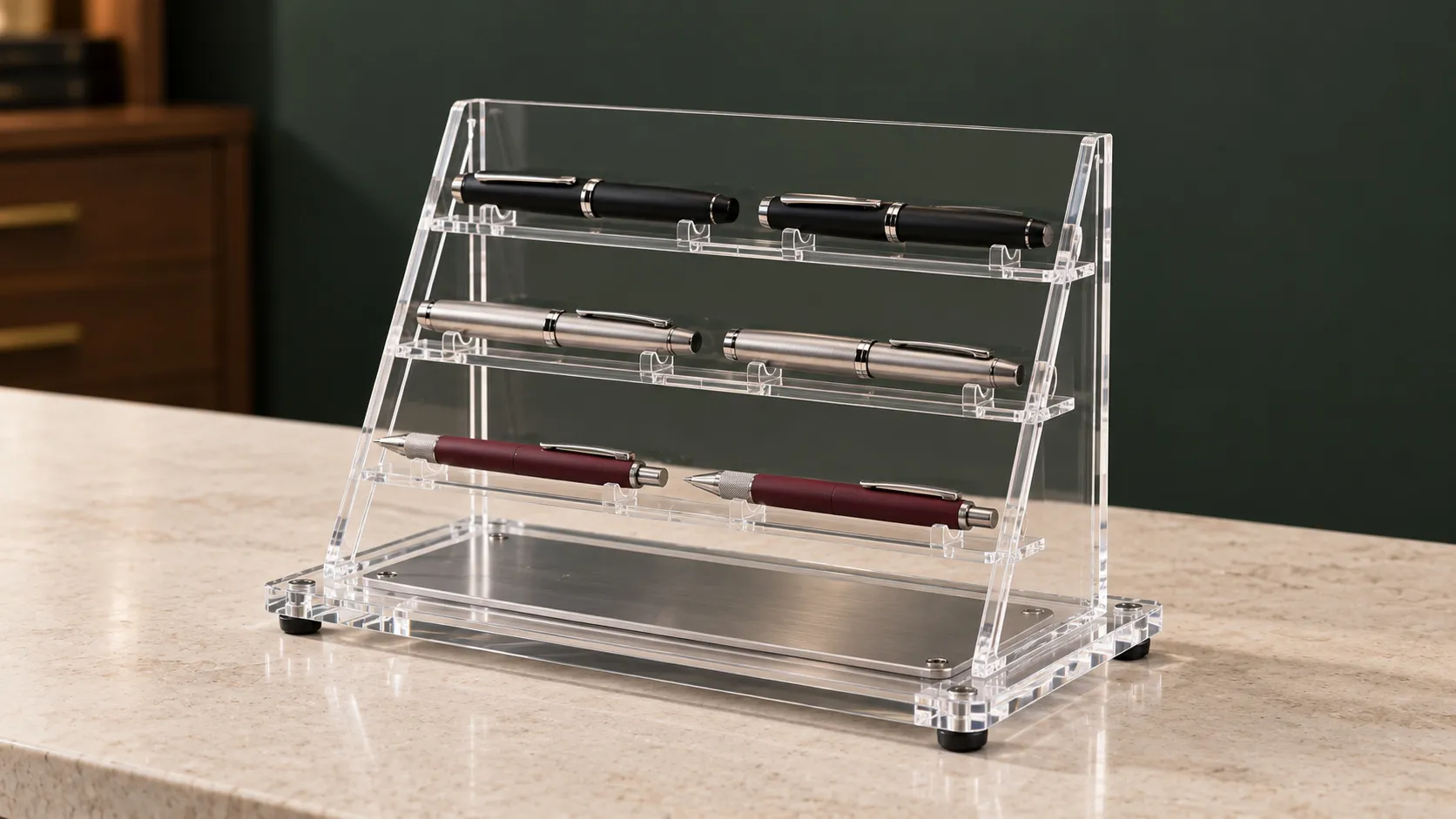
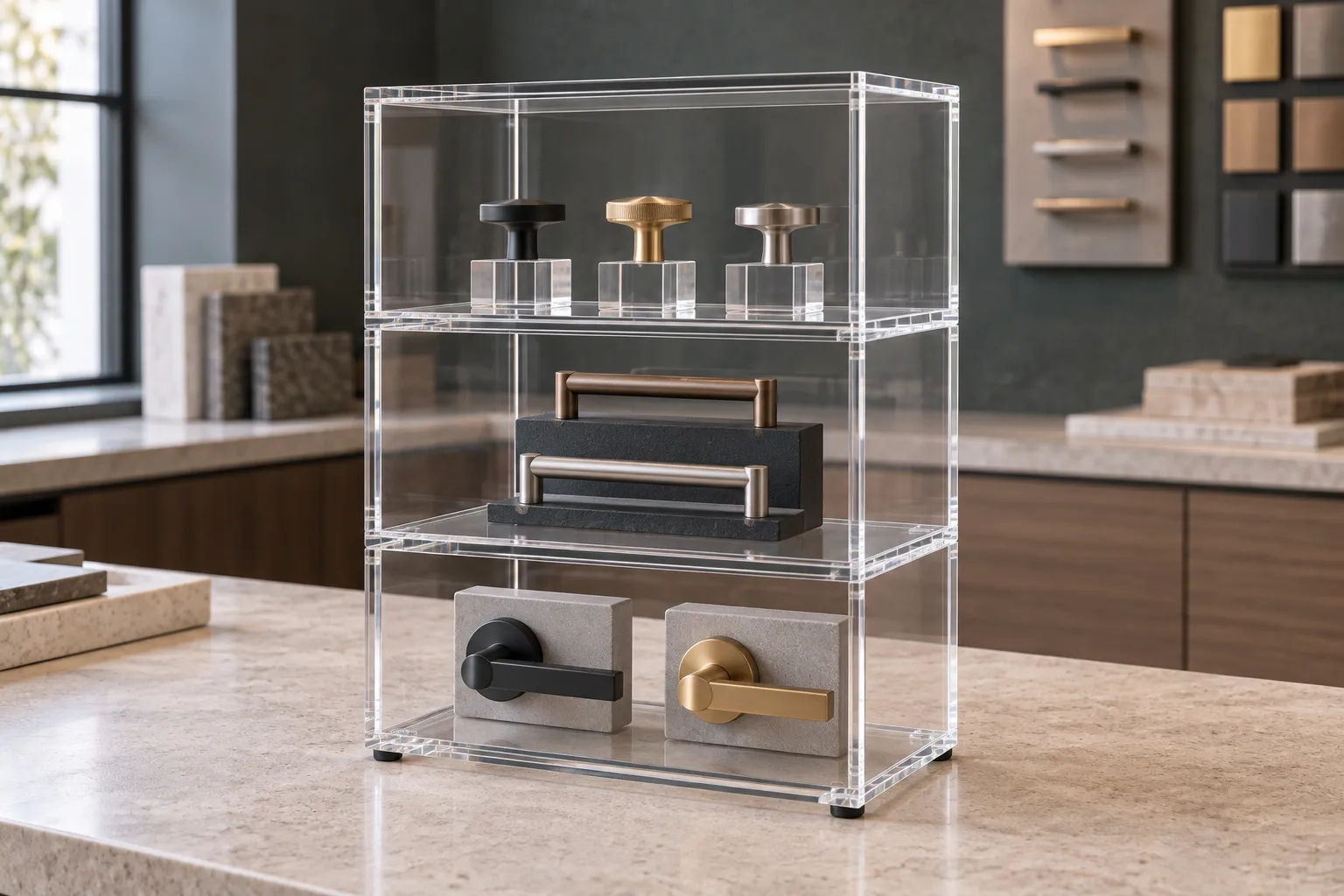
Heat-bent or assembled steps create multi-level viewing angles, maximizing vertical space in tight retail cabinets. Perfect as a countertop plexiglass display.

  • Application: Cosmetics & collectibles
  • Feature: Multi-tier structure
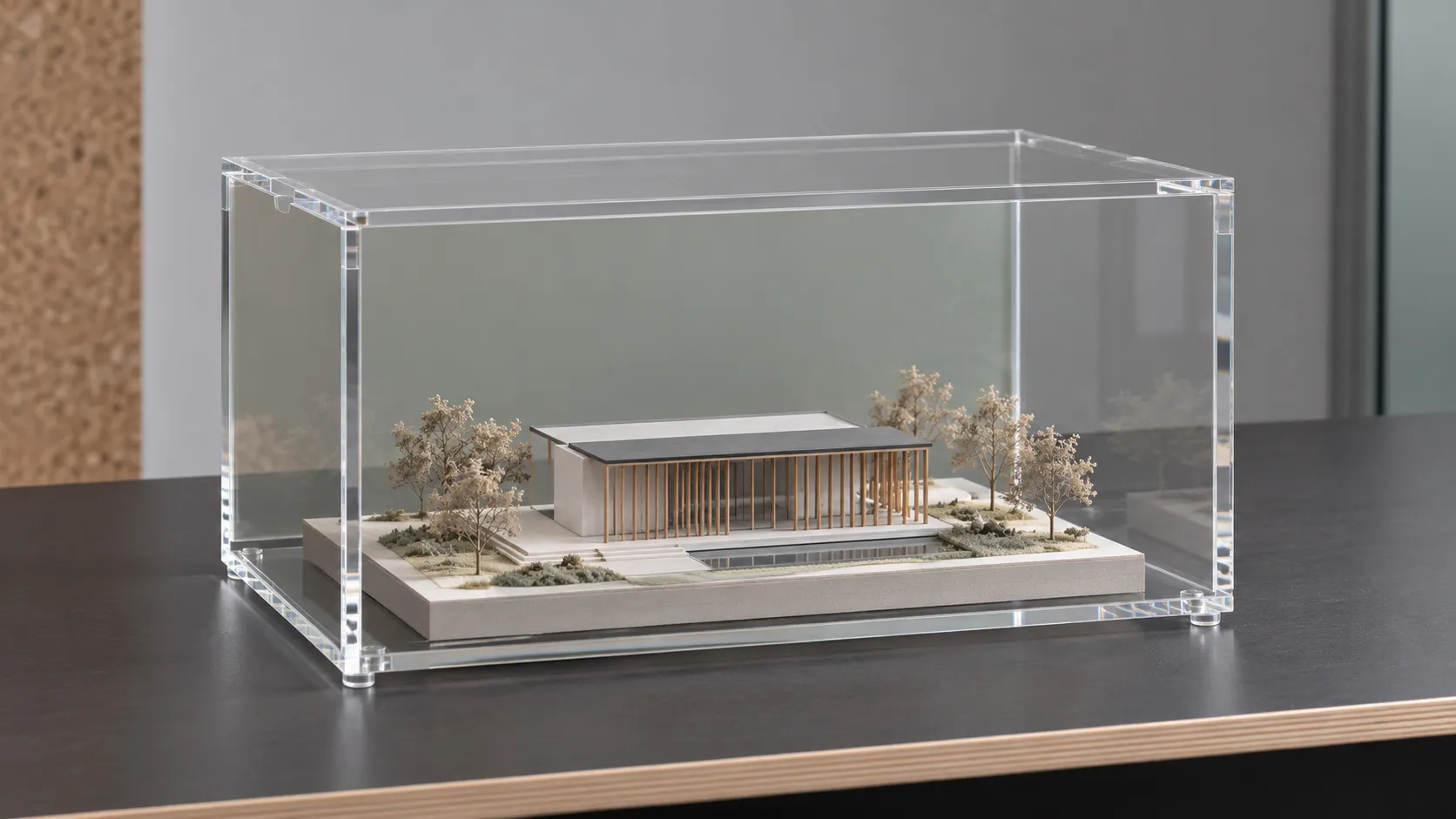
Plexiglass Display Case

Plexiglass Display Case

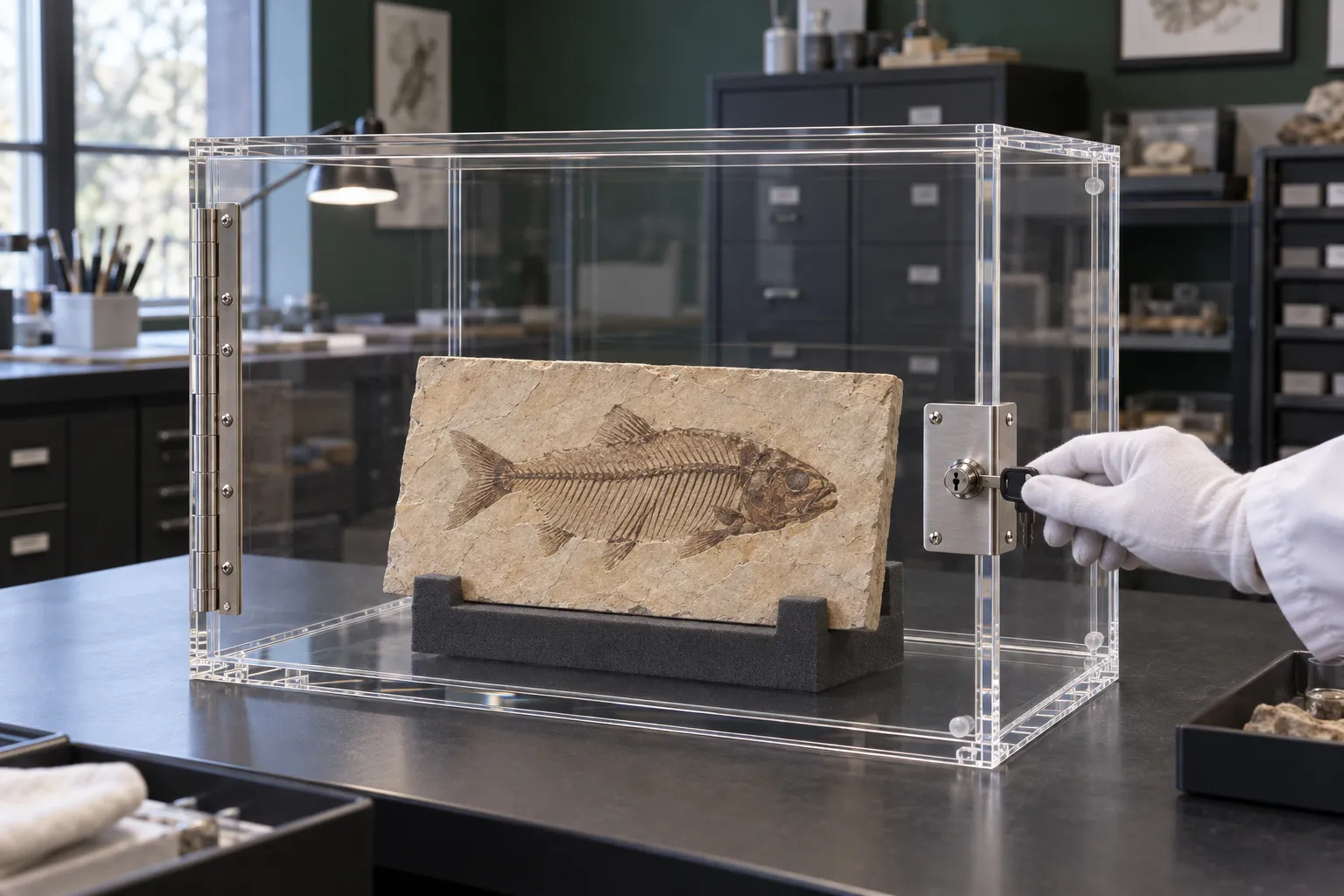
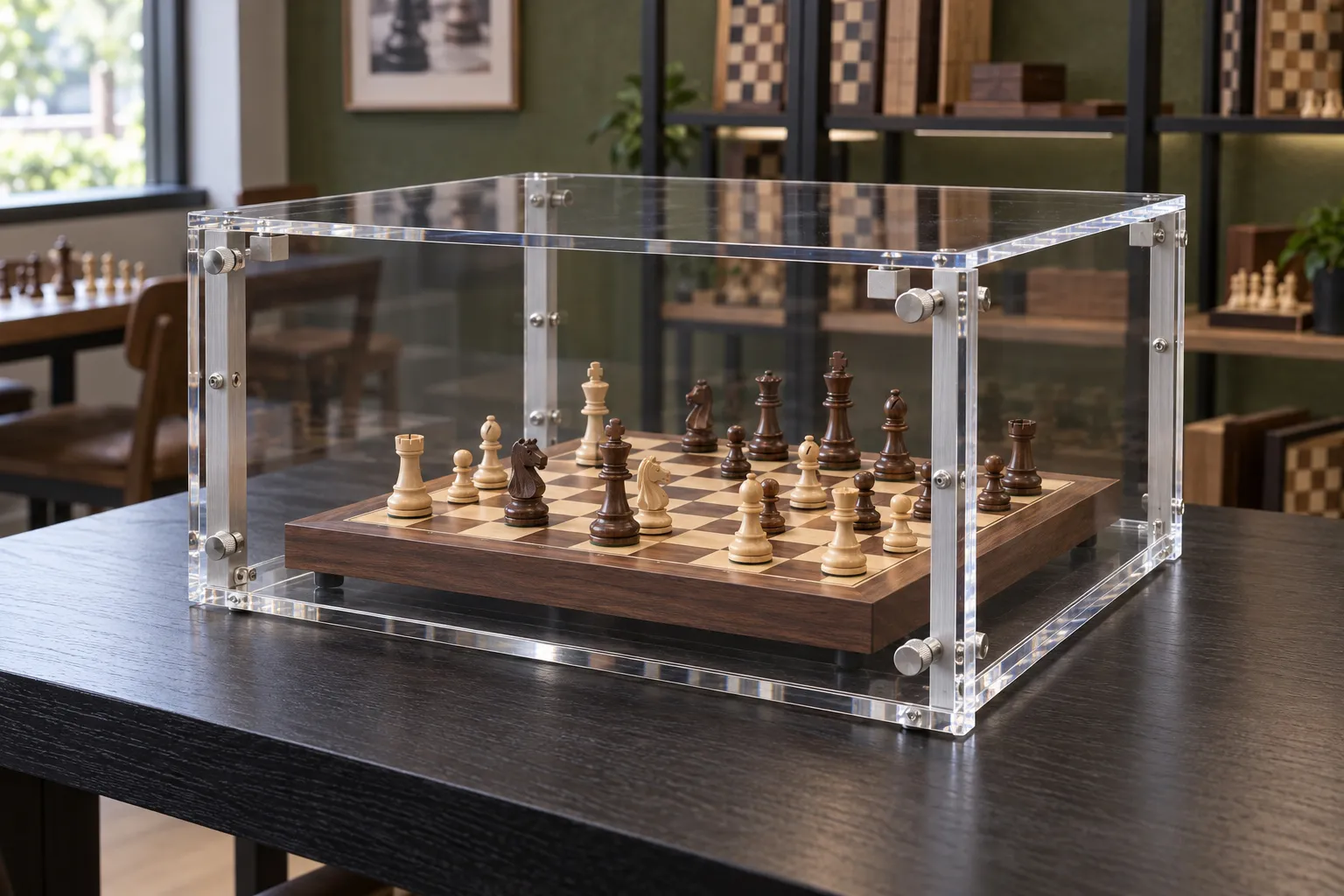
Fully enclosed clear plexiglass display structure protecting items from dust and handling, featuring clean bonded seams and optional access doors.

  • Application: Museum & high-value retail
  • Feature: Dust-reduced enclosure
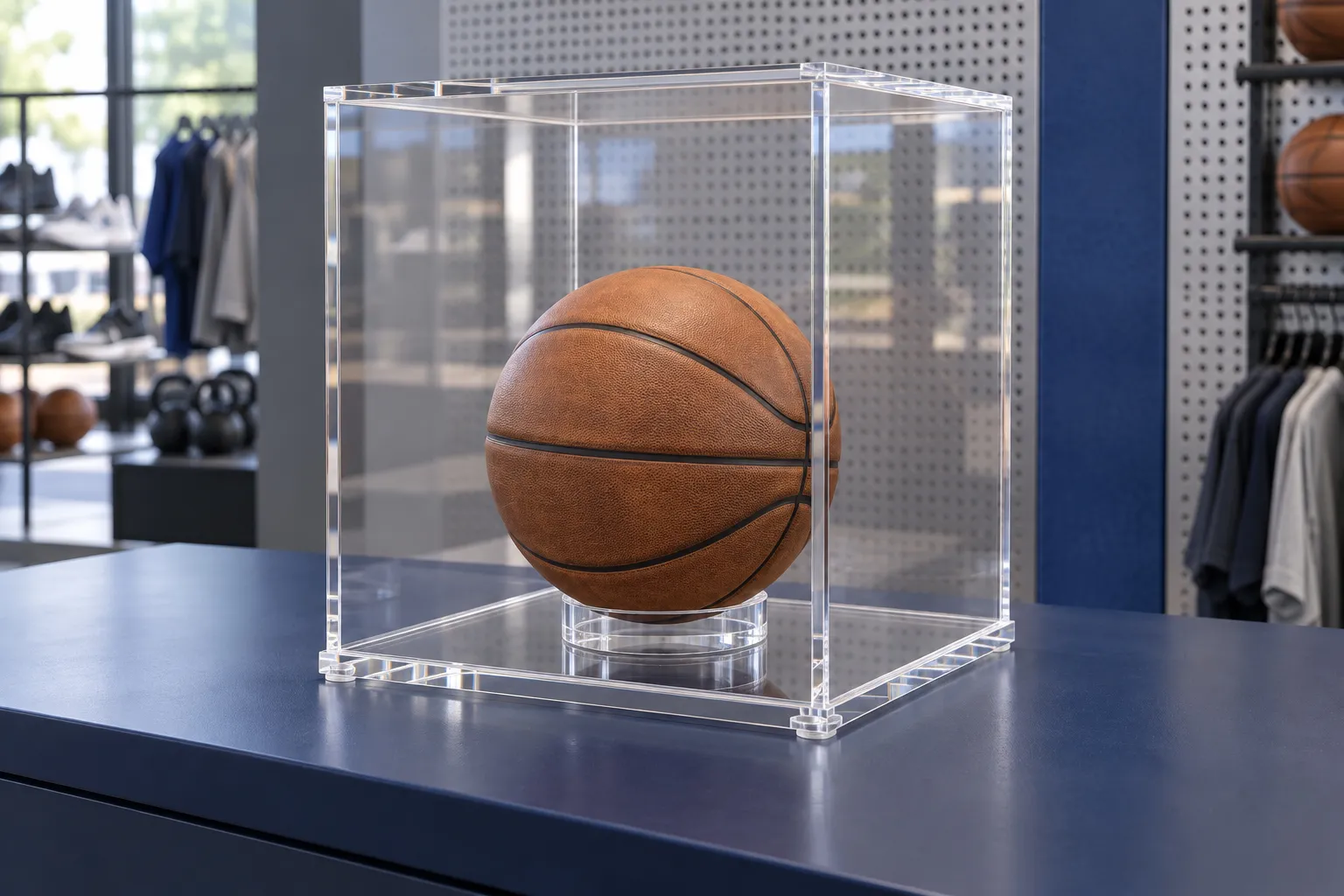
Plexiglass Display Box

Plexiglass Display Box

A five-sided cover that drops over a base. Easy to lift off for rapid product changes during trade shows or events.

  • Application: Product launches
  • Feature: Lift-off cover
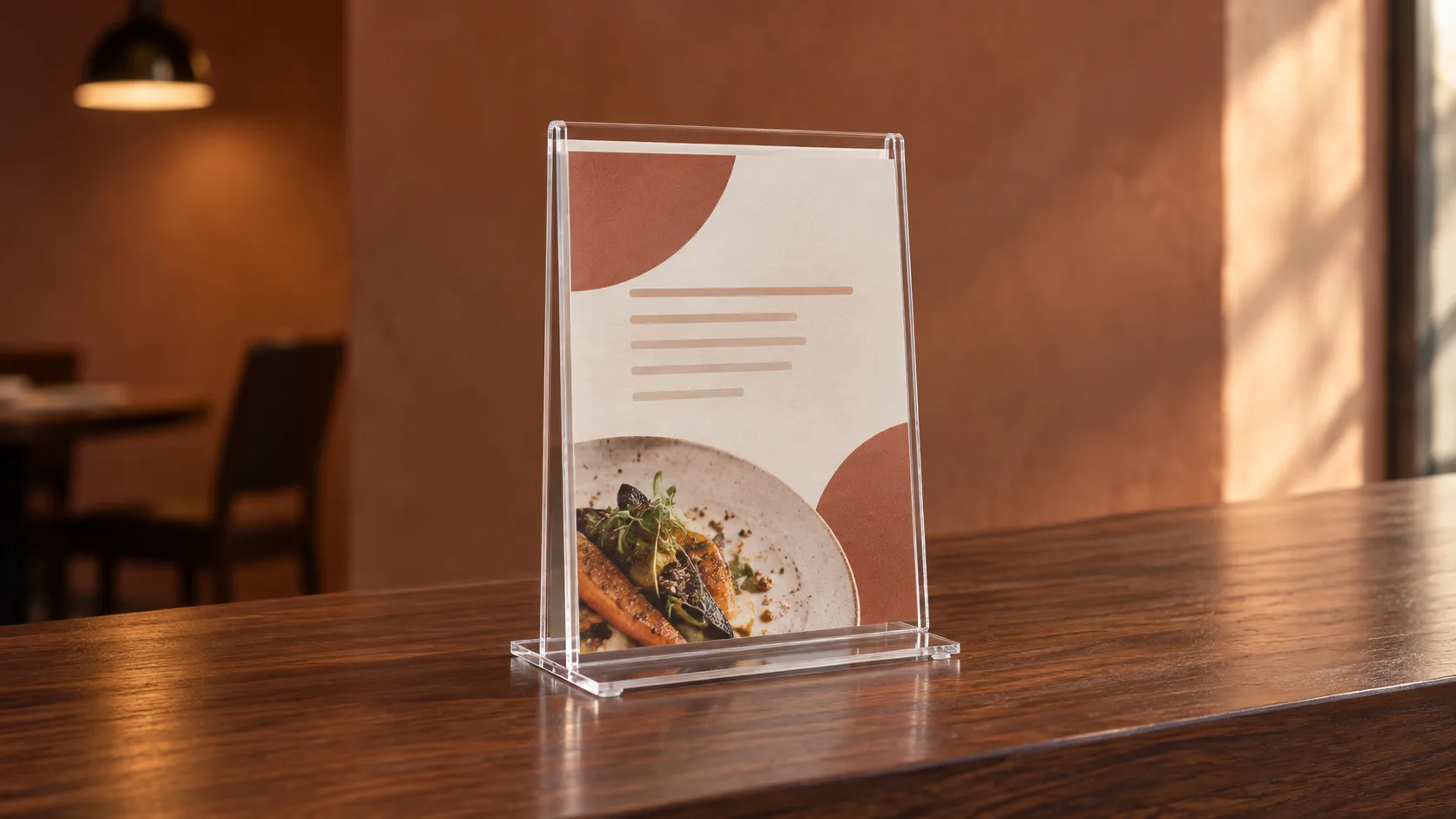
Plexiglass Sign Holder

Plexiglass Sign Holder

Slant-back or bottom-loading frames designed to protect and display promotional graphics, menus, or pricing information clearly.

  • Application: Restaurants & POS
  • Feature: Easy graphic insertion
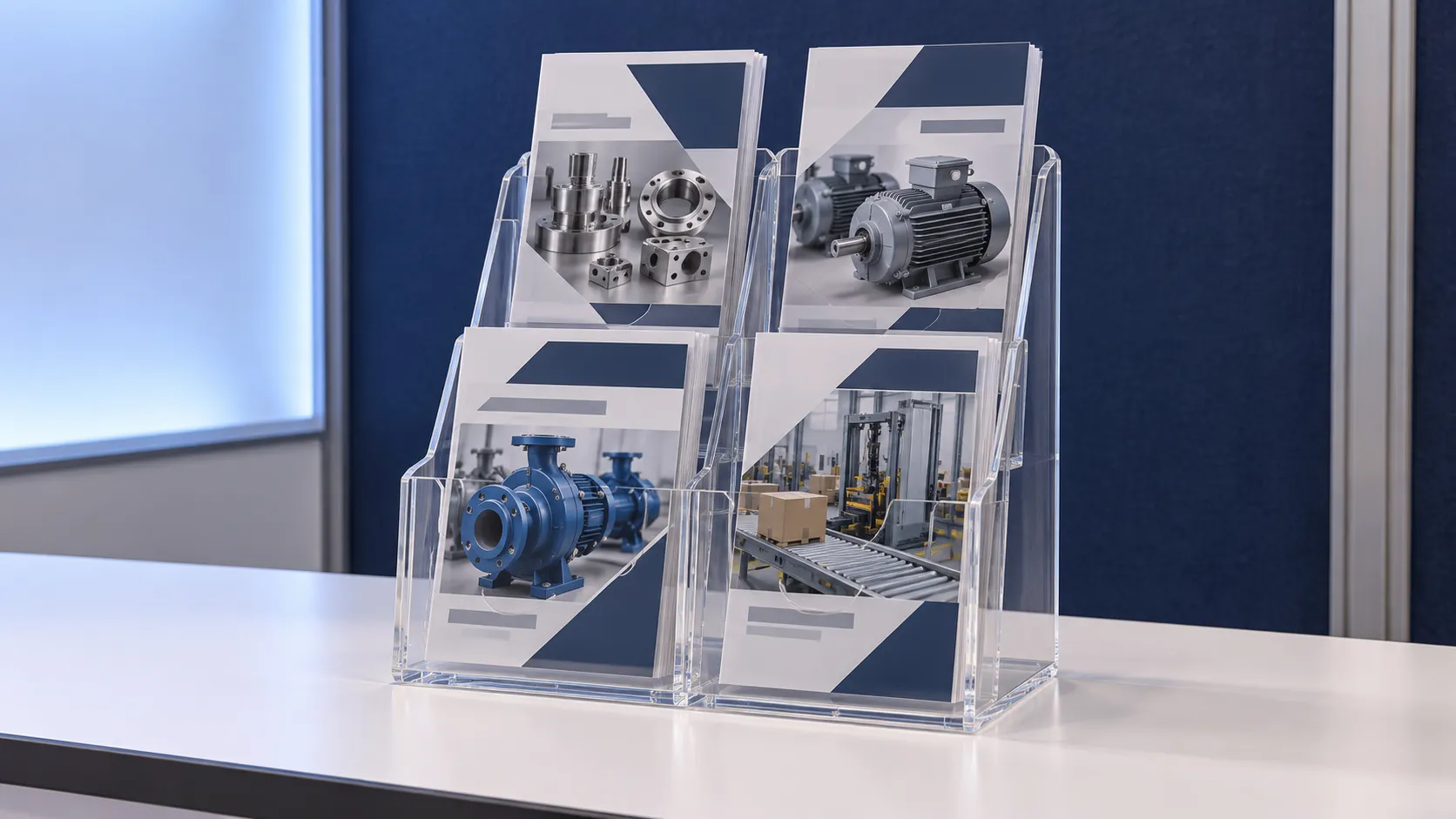
Plexiglass Brochure Holder

Plexiglass Brochure Holder

Multi-pocket dispensers for literature distribution. Can be configured for countertop or wall-mounted plexiglass display applications.

  • Application: Banks & exhibitions
  • Feature: Tiered pocket design
Plexiglass Display Tray

Plexiglass Display Tray

Low-profile organizers with optional dividers. Perfect for presenting loose items or organizing merchandise within larger display cabinets.

  • Application: Optical & accessory retail
  • Feature: Modular organization
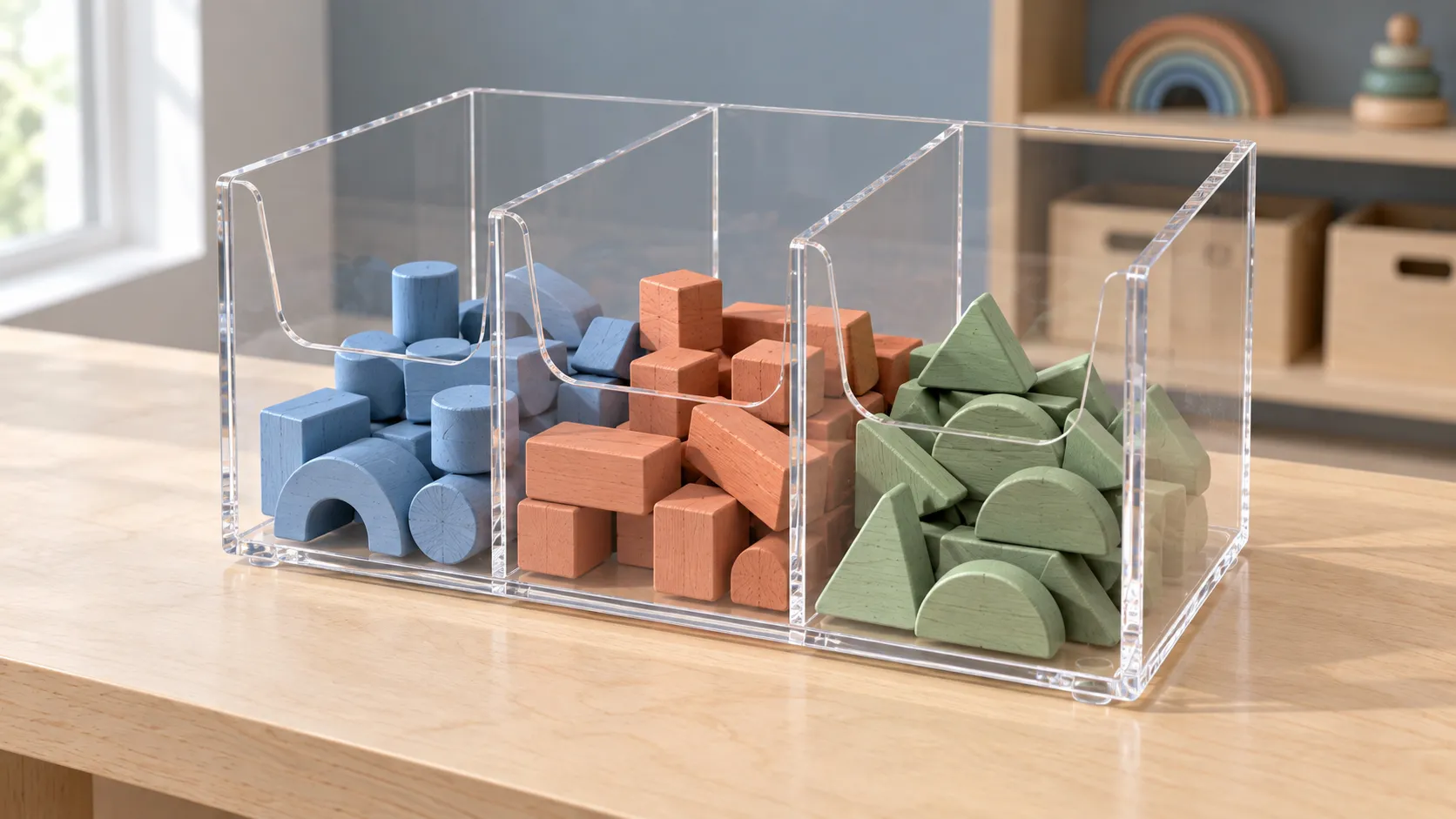
Plexiglass Display Bin

Plexiglass Display Bin

Deep, open-top containers designed for bulk merchandise. Often features angled fronts for easier customer access and product visibility.

  • Application: Confectionery & pharmacy
  • Feature: High-capacity storage
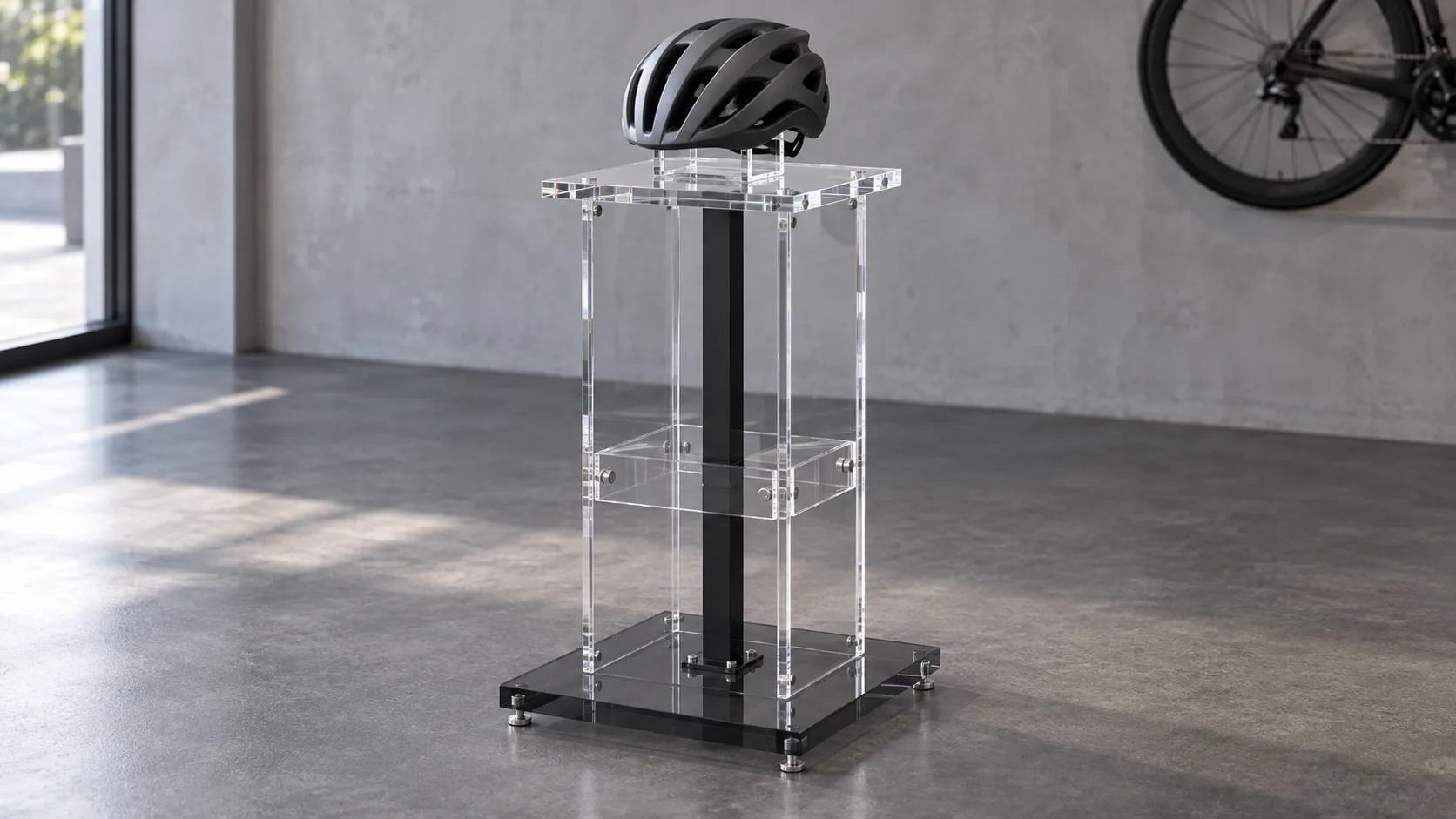
Plexiglass Pedestal

Plexiglass Pedestal

Tall, freestanding acrylic columns used to elevate premium products to eye level. Engineered with thicker acrylic to ensure structural integrity.

  • Application: Galleries & showrooms
  • Feature: Floor-standing elevation
Modular Plexiglass Display

Modular Plexiglass Display

Interlocking acrylic components that can be reconfigured. Adapts easily to changing inventory sizes or seasonal promotional layouts.

  • Application: Pop-up stores
  • Feature: Scalable & adjustable
Classification by Installation Method
Countertop Plexiglass Display

Countertop Plexiglass Display

Designed to sit securely on retail cash wraps or shelves. Features anti-slip rubber feet to prevent movement during customer interaction.
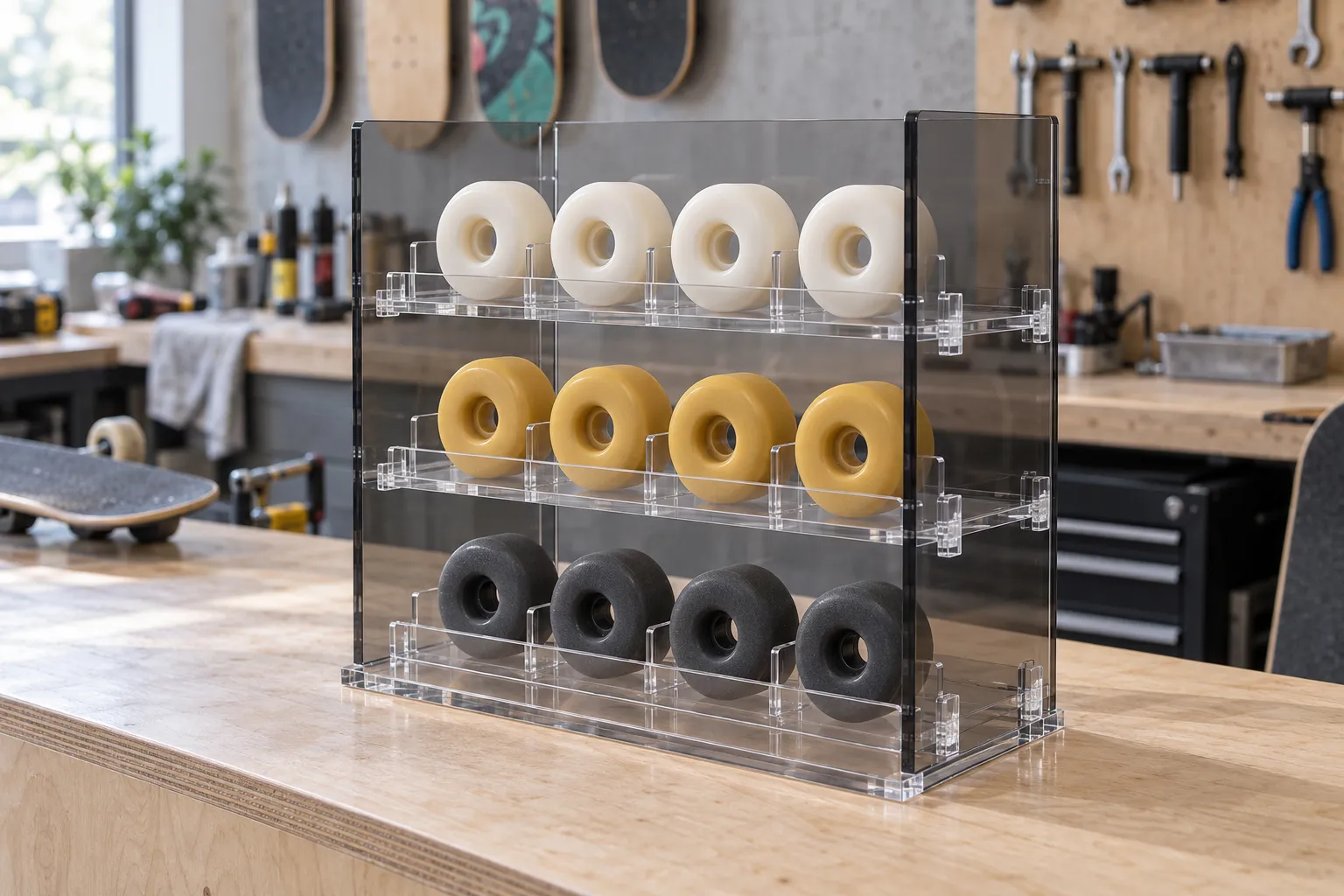
Wall-Mounted Plexiglass Display

Wall-Mounted Plexiglass Display

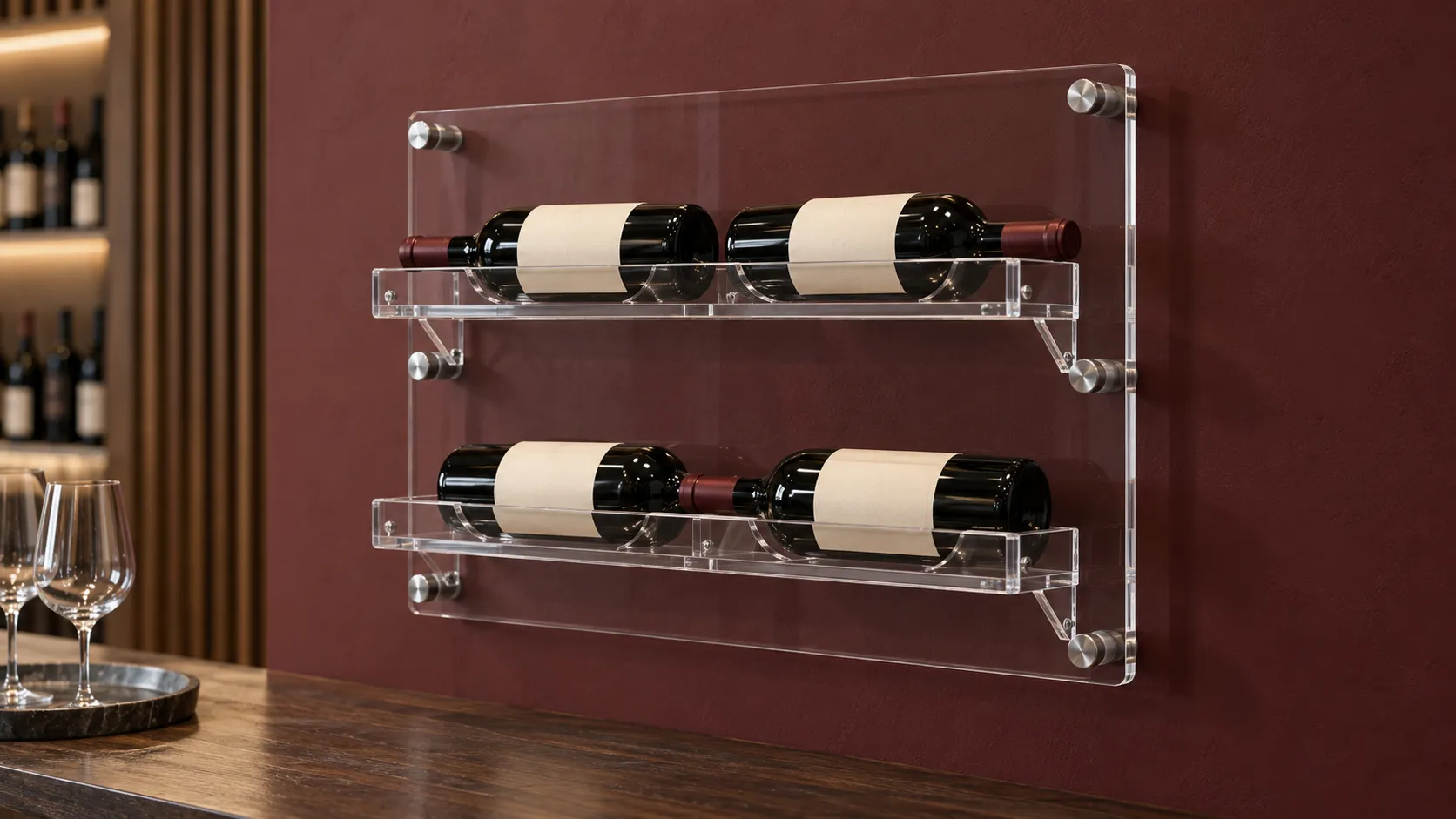
Utilizes pre-drilled holes, French cleats, or standoff hardware to mount directly to vertical surfaces, saving valuable floor space.

Freestanding Plexiglass Display

Freestanding Plexiglass Display

Independent floor fixtures built with heavy-duty acrylic and reinforced bases. Often incorporates casters for easy store reconfiguration.


Suspended Plexiglass Display

Suspended Plexiglass Display

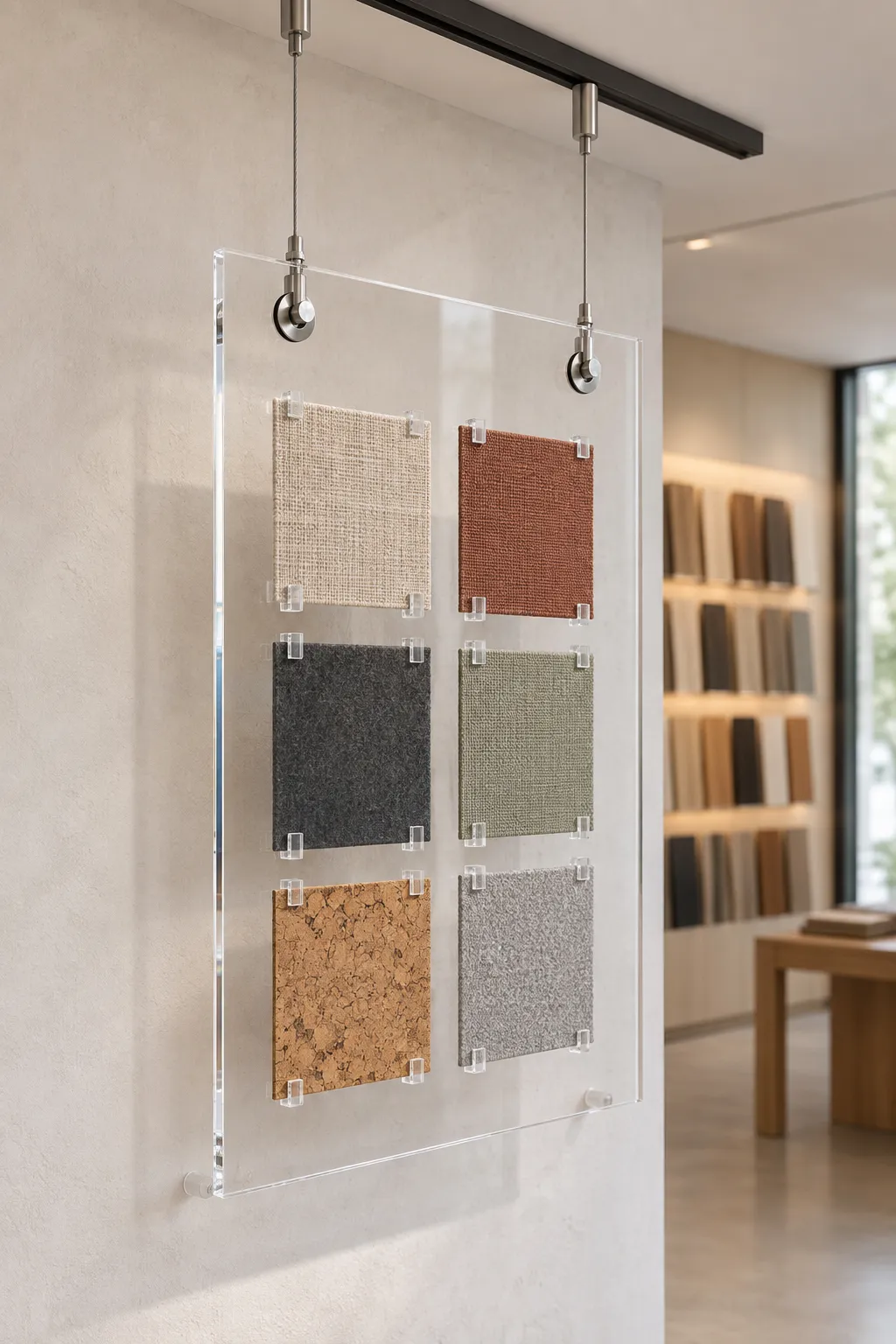
Hangs from ceilings or window frames using wire cable systems. Creates a floating aesthetic ideal for real estate listings or retail windows.

View More
Rotating Plexiglass Display

Rotating Plexiglass Display

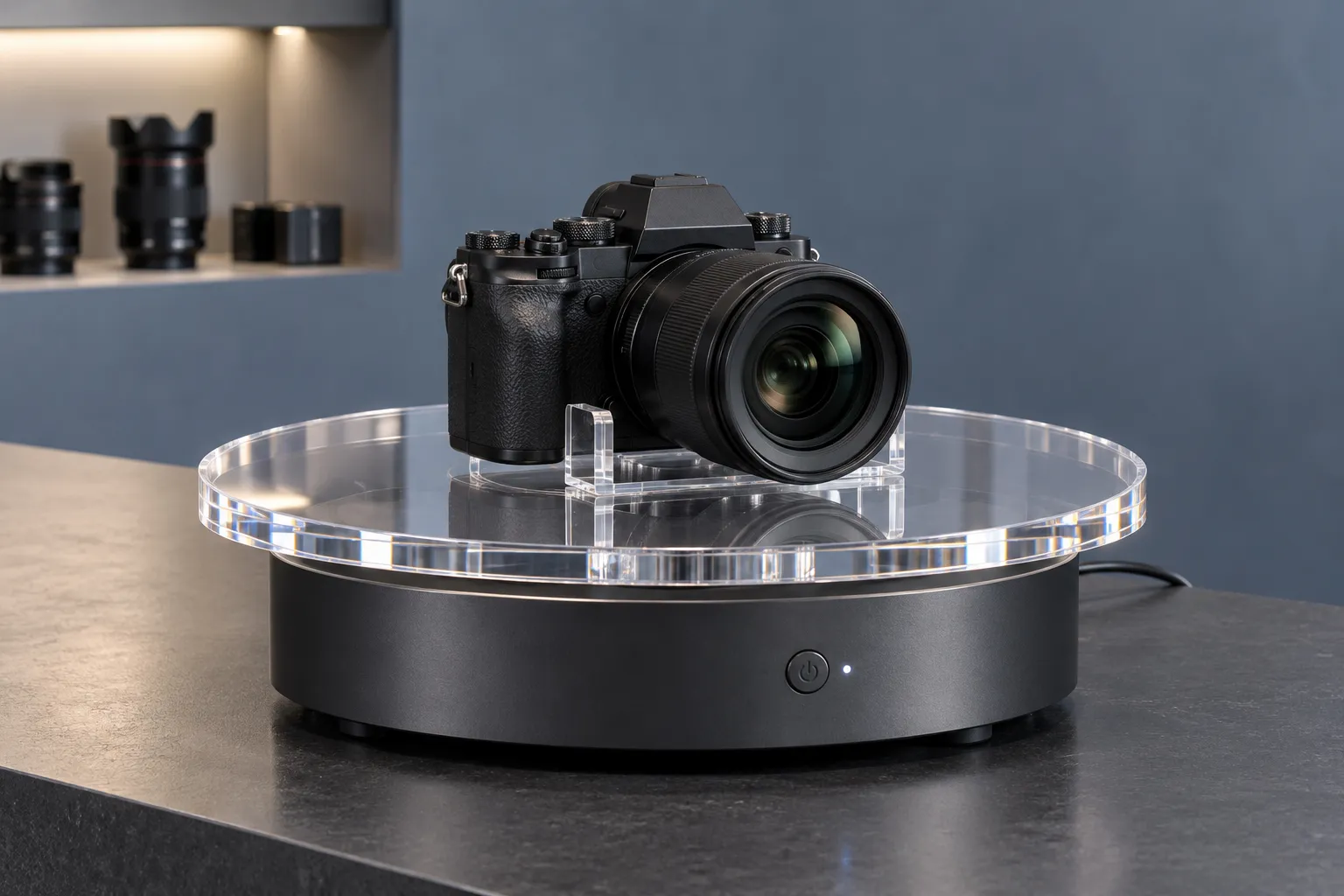
Incorporates a manual or motorized lazy susan bearing base, allowing 360-degree browsing of multi-sided product arrangements.

Classification by Display Orientation
Single-Sided Plexiglass Display

Single-Sided Plexiglass Display

Optimized for viewing from one direction. Typically placed against walls or integrated as end-caps in retail aisles.

Double-Sided Plexiglass Display

Double-Sided Plexiglass Display

Allows product visibility and access from front and back. Highly effective for center-aisle placements and high-traffic areas.

Multi-Sided Plexiglass Display

Multi-Sided Plexiglass Display

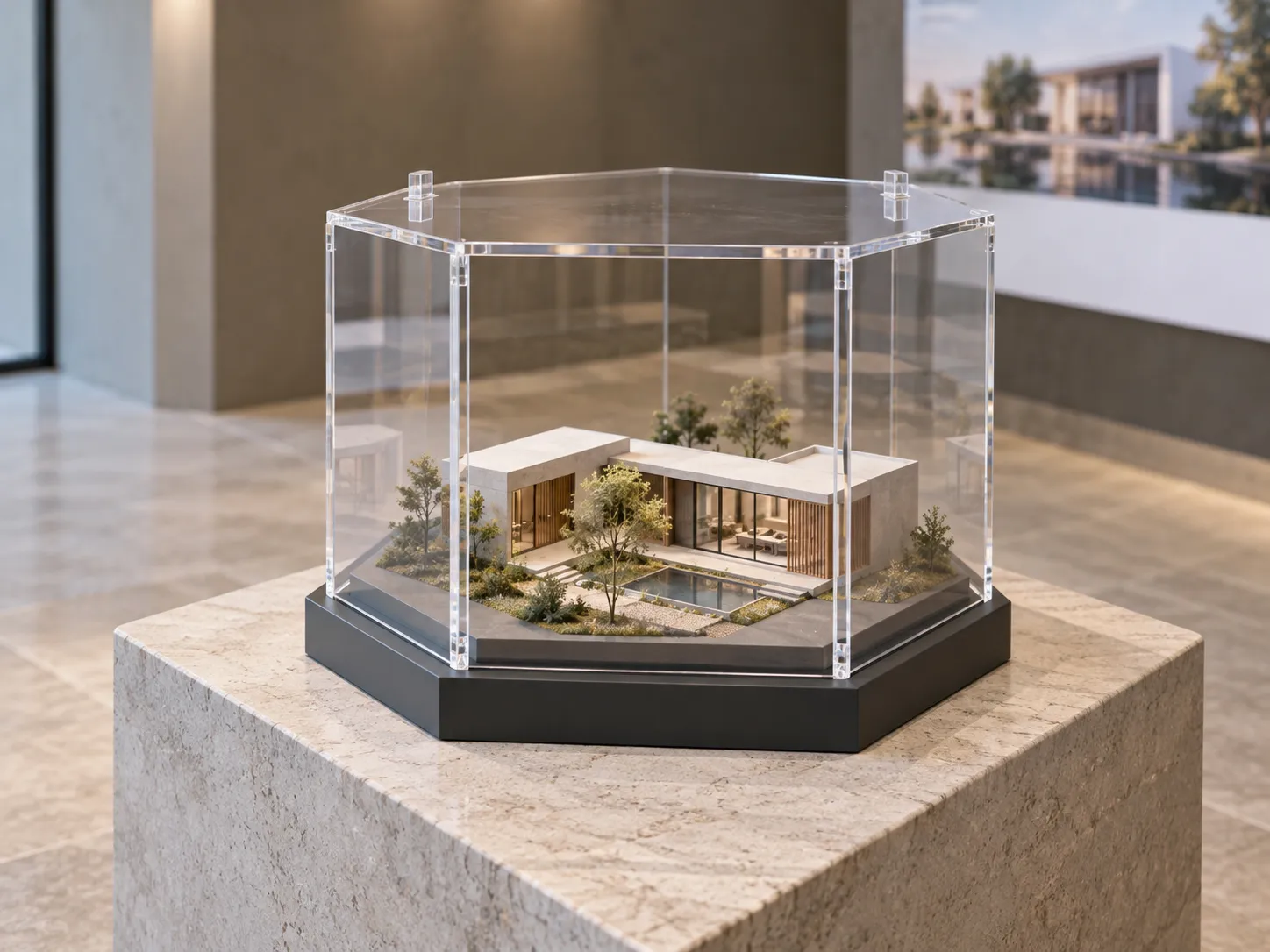
Triangular, square, or hexagonal structures offering maximum product exposure from all angles in open floor plans.

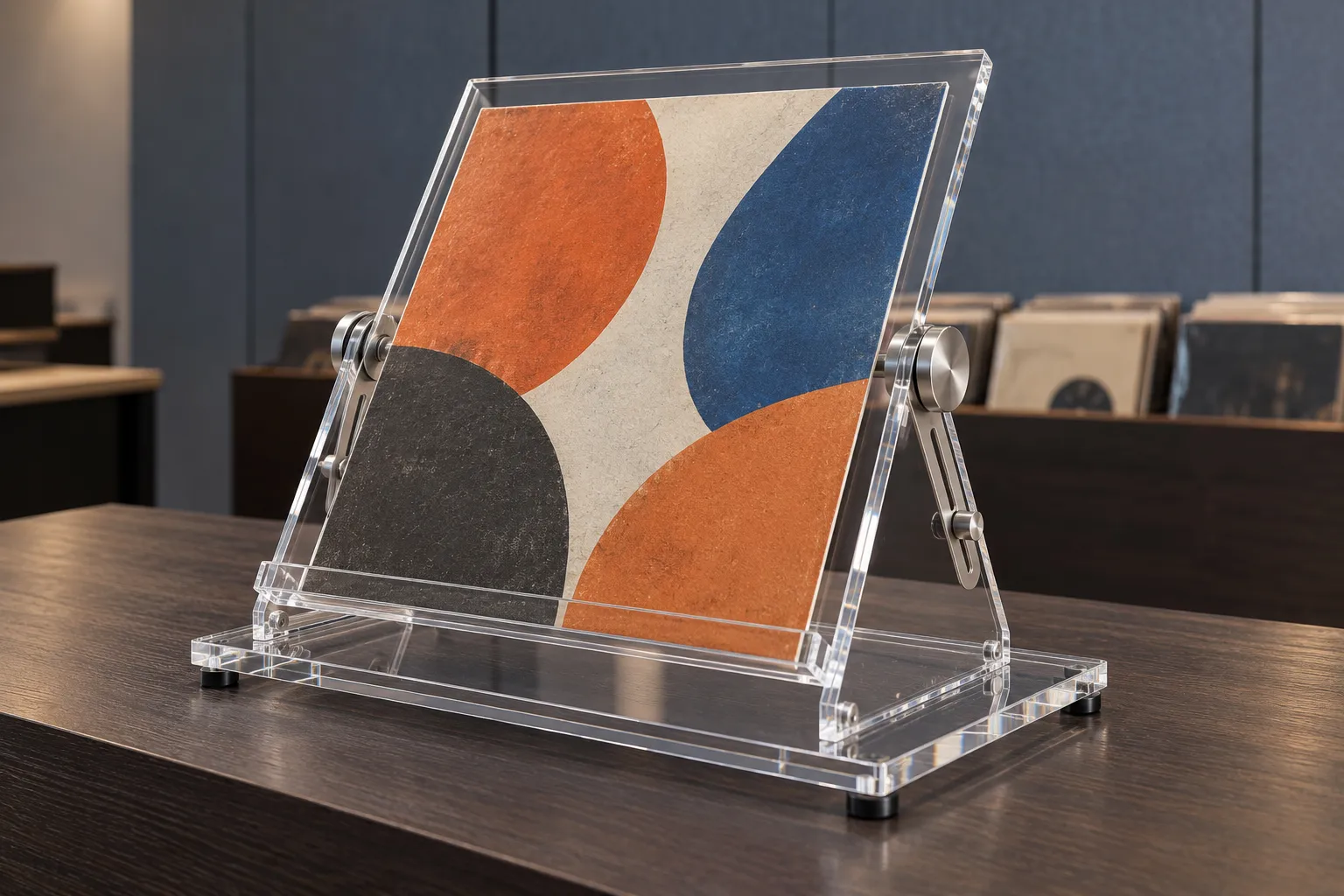
Angled Plexiglass Display

Angled Plexiglass Display

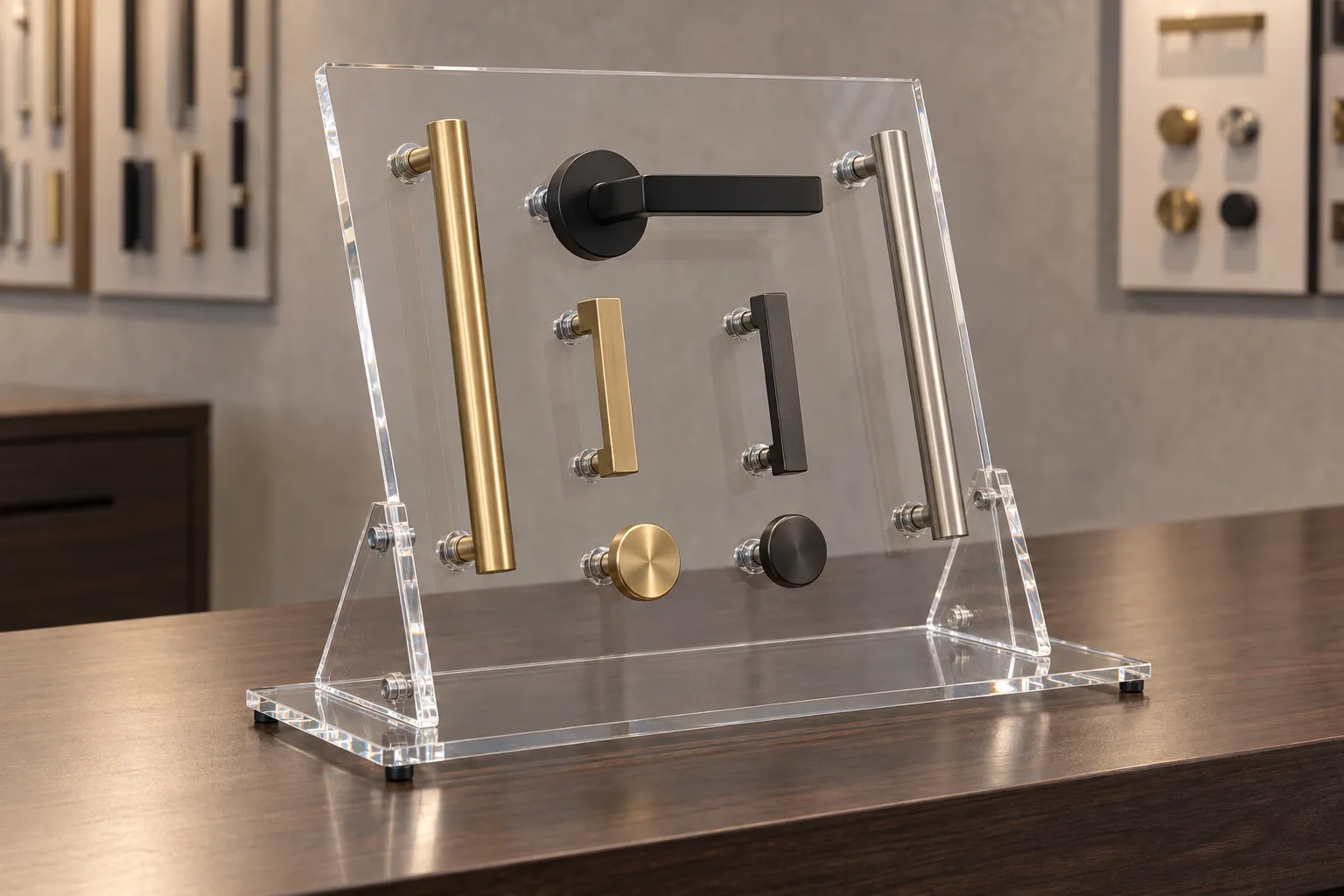
Features a tilted presentation surface to improve ergonomics and readability for customers looking down at countertop setups.

Classification by Access Structure
Open-Front Plexiglass Display

Open-Front Plexiglass Display

Allows direct customer interaction. Thicker custom acrylic display panels are used to prevent deflection on unsupported edges. Can adapt as a wall-mounted plexiglass display.

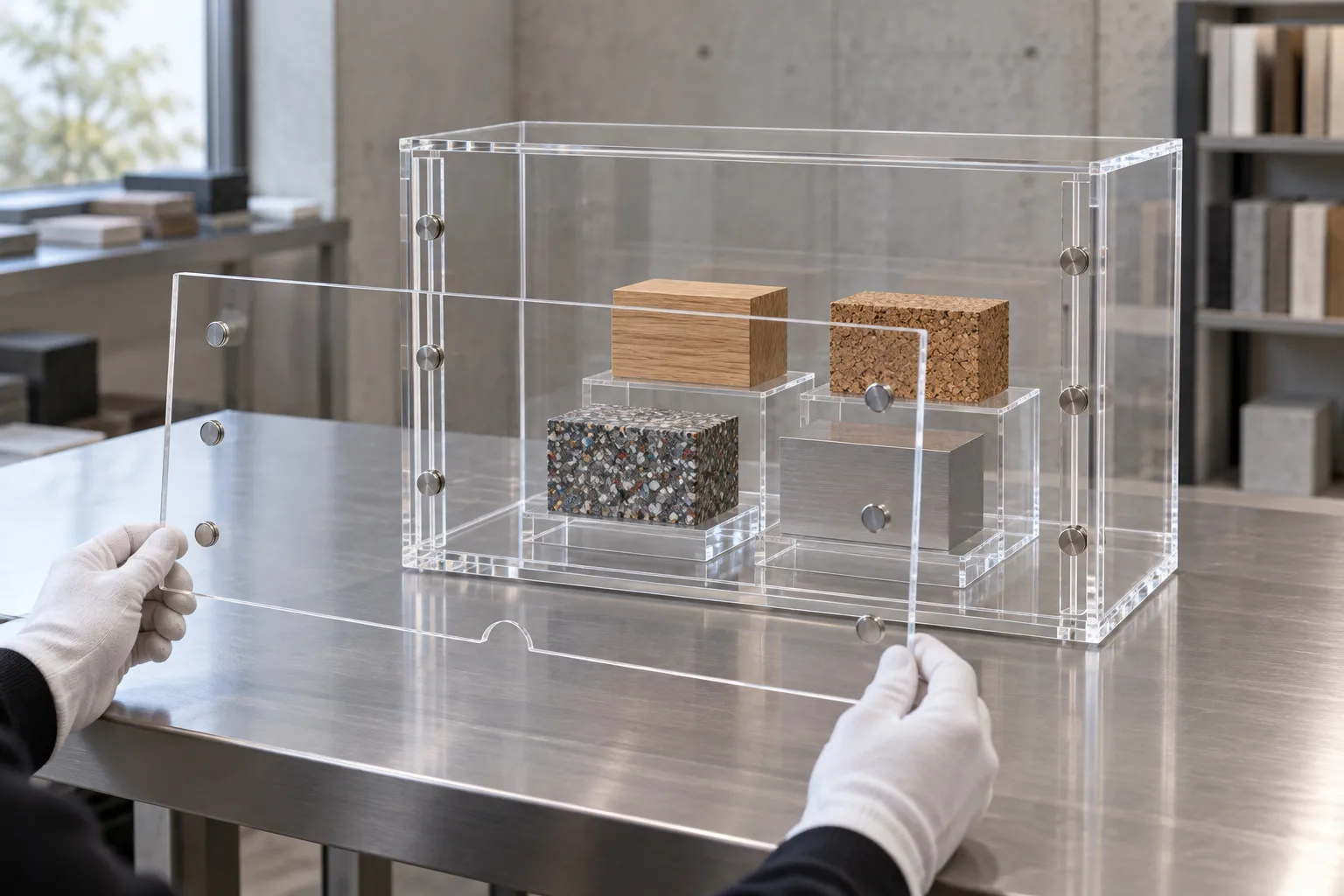
Removable-Cover Plexiglass Display

Removable-Cover Plexiglass Display

Features a fully detachable top or front panel. Ideal for static displays that require occasional, complete access for restocking or cleaning.

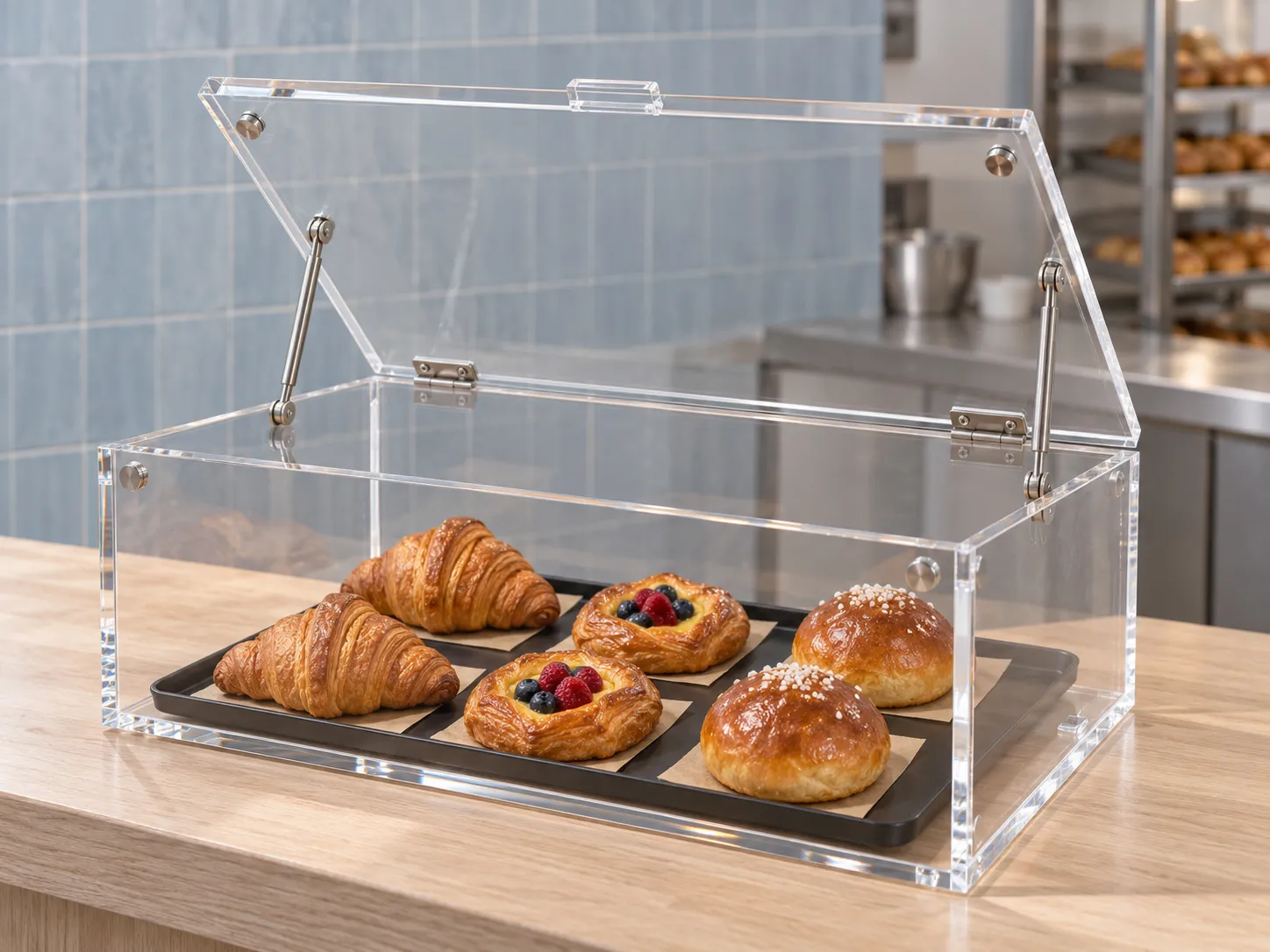
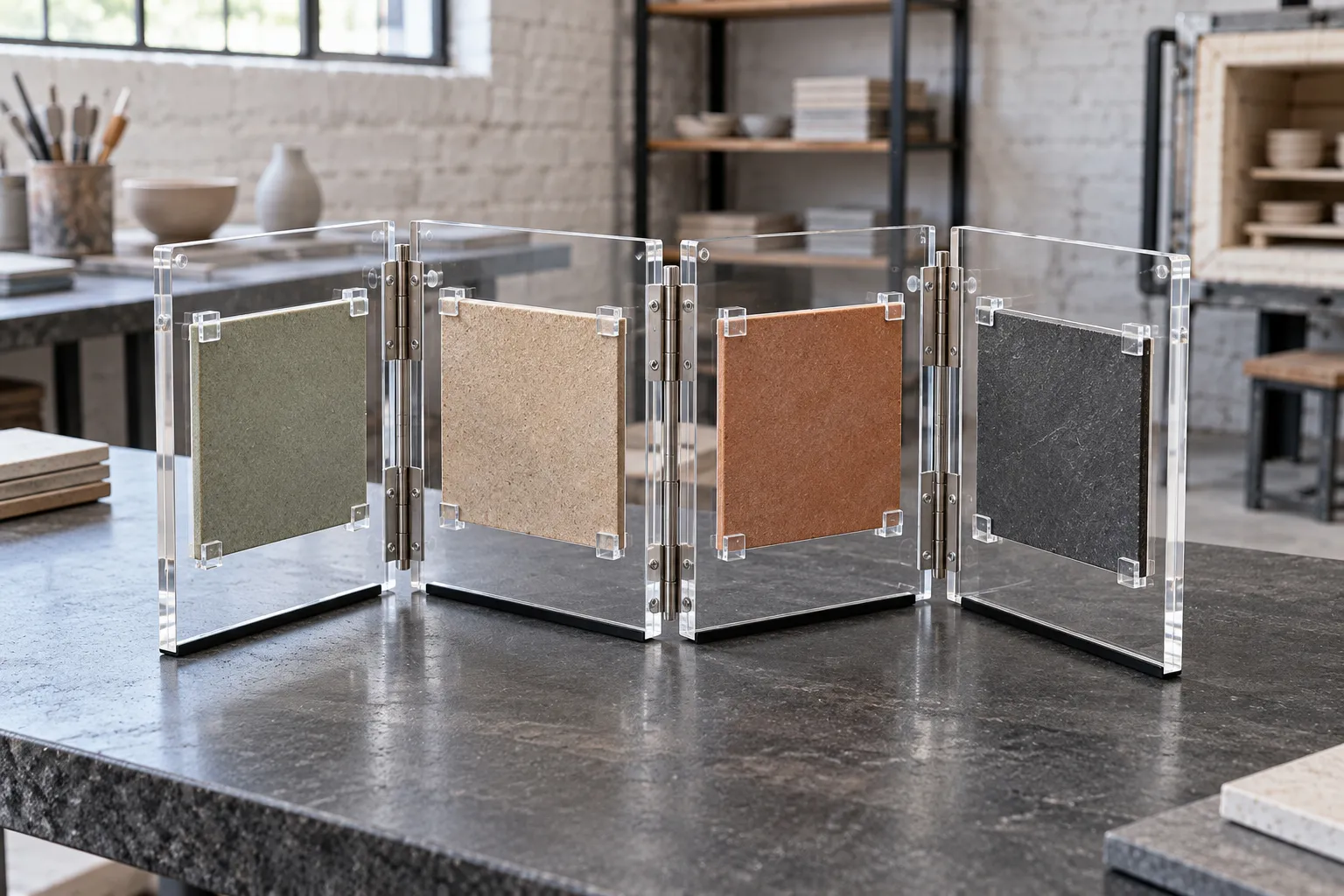
Hinged Plexiglass Display

Hinged Plexiglass Display

Features acrylic or metal hinges for staff access. Door swing direction must be confirmed during design to avoid counter interference.

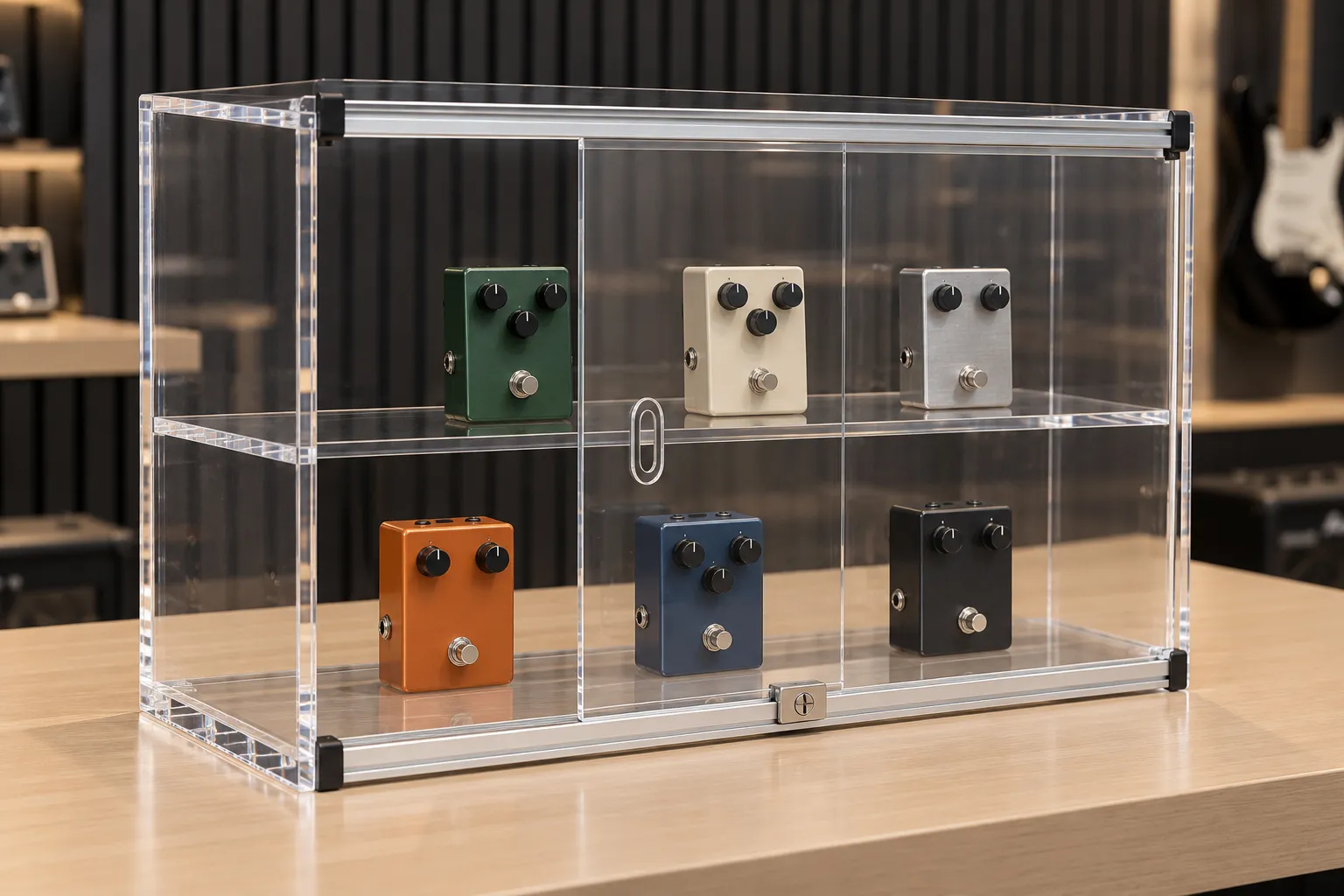
Sliding-Door Plexiglass Display

Sliding-Door Plexiglass Display

Doors slide within routed channels, saving space where a swinging door would hit adjacent retail fixtures or walls.

View More
Magnetic-Closure Plexiglass Display

Magnetic-Closure Plexiglass Display

Utilizes embedded neodymium magnets for a seamless, hardware-free look. Provides secure closure while maintaining a clean aesthetic.

Lockable Plexiglass Display

Lockable Plexiglass Display

Integrates cam locks or keyed hasps into the clear plexiglass display structure to secure high-value items while maintaining visibility.

Classification by Acrylic Appearance
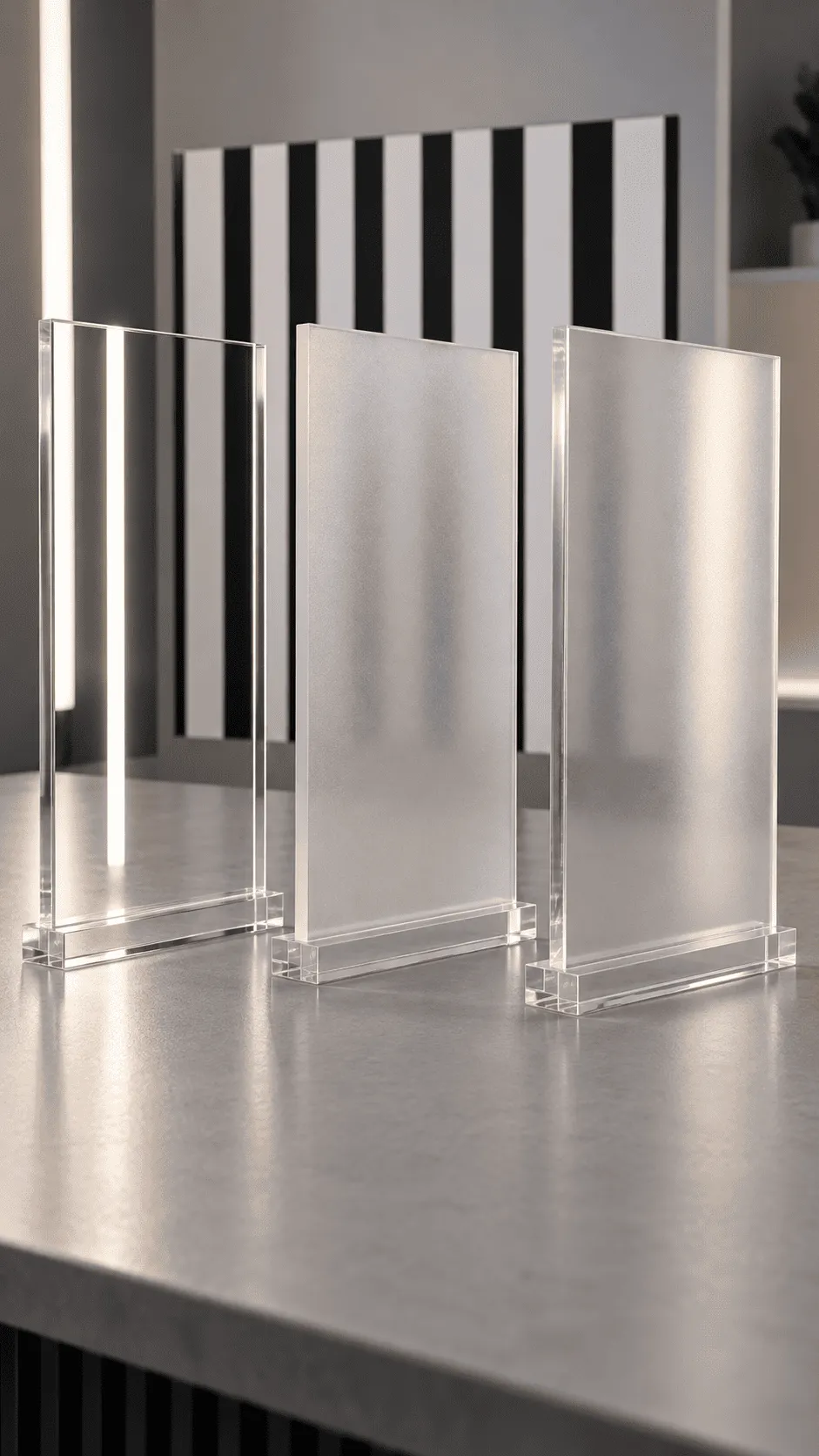
Clear Plexiglass Display

Clear Plexiglass Display

Standard high-transparency acrylic offering 92% light transmission. Provides an undistorted, glass-like view of the merchandise without the fragility.

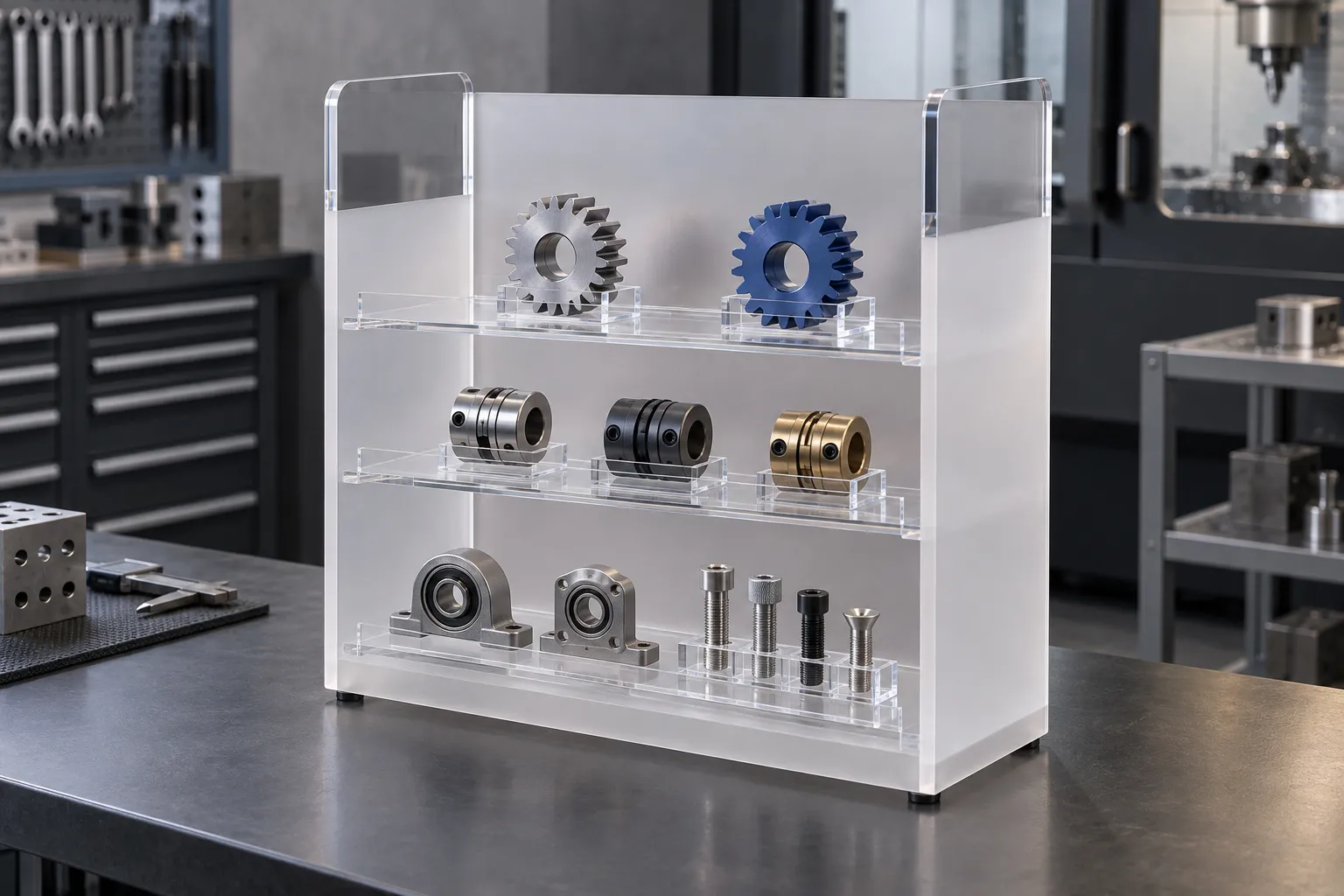
Frosted Plexiglass Display

Frosted Plexiglass Display

Frosted plexiglass display with a matte surface finish hides fingerprints and diffuses light, offering a premium aesthetic for luxury goods.

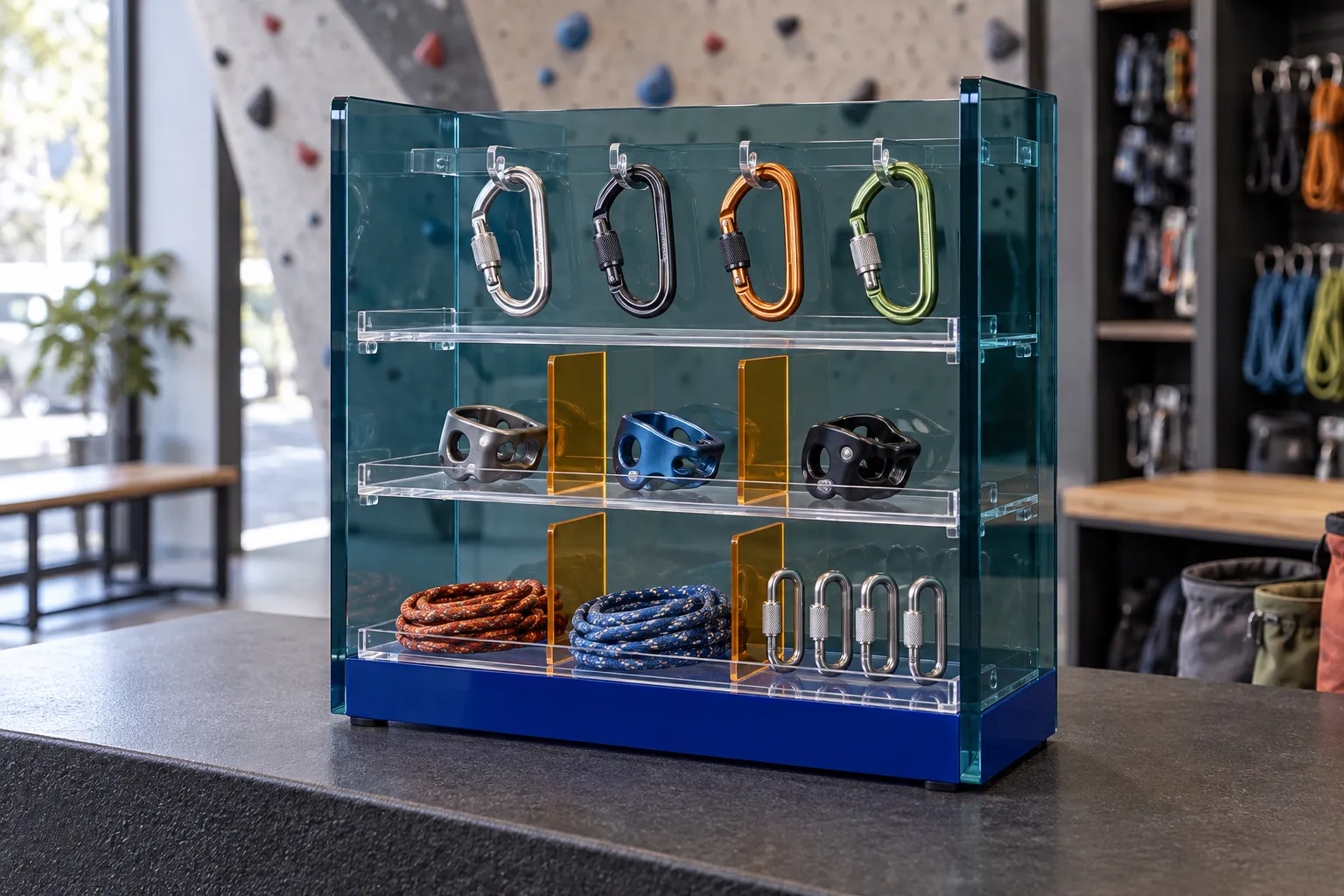
Colored Plexiglass Display

Colored Plexiglass Display

Available in opaque, translucent, or transparent colored sheets to match corporate branding or create high-contrast visual merchandising.

Mirrored Plexiglass Display

Mirrored Plexiglass Display

Features a reflective backing applied to the acrylic. Used to create depth, reflect light, or show the back of products like jewelry.

View More
Fluorescent Edge Plexiglass Display

Fluorescent Edge Plexiglass Display

Specialty acrylic that captures ambient light and channels it to the edges, creating a glowing effect without electrical illumination.

Textured Plexiglass Display

Textured Plexiglass Display

Incorporates patterned surfaces like ribbed or prismatic finishes. Adds tactile interest and distorts visibility for privacy or artistic effect.

Classification by Fabrication Method
Classification by Assembly Format
Classification by Surface Decoration
Classification by Lighting Configuration
Classification by Custom Features

Ready to develop your custom acrylic display?

More structures, sizes and acrylic configurations can be engineered directly from your product dimensions or cabinet drawings. Contact our fabrication team for technical support and pricing.

How Manufacturing Affects Acrylic Display Quality

Manufacturing quality depends on selecting the correct process, controlling key parameters and maintaining consistent production records—not simply on the number of machines in a factory.

01

Correct Cutting Process

Panel saws are used for straight sheet sizing, lasers for detailed outlines, and CNC routers for holes, grooves and fitted components. Laser-cut bonding edges may require additional stress-control treatment.

Buyer Check

Confirm that the cutting method matches the component’s appearance, fit and bonding requirements.

02

Controlled Bending & Bonding

Uniform heating, angle fixtures and recorded bending parameters help control bend radius and panel alignment. Bonding fixtures keep corners square and reduce uneven seams or adhesive overflow.

Buyer Check

Approve a finished sample rather than reviewing separate acrylic panels only.

03

Measurable Quality Inspection

Critical slots, holes, shelf positions and corner angles should be checked with calipers, depth gauges and angle gauges—not only a tape measure.

Buyer Check

Request an inspection report showing the specified tolerance and actual measured result.

04

Repeat-Order Consistency

Reliable repeat production requires controlled drawings, material specifications, machine files, fixture records and approved samples. Changes affecting dimensions, fit or appearance should be confirmed before production.

Buyer Check

Ask how production records and drawing revisions are managed for future orders.

What We Need to Confirm Before Making Your Plexiglass Display

To guarantee compatibility with your retail space and displayed items, we review these technical points during the quotation and drawing phase.

Project item Information to confirm Why it matters
Overall dimensions Width, height and depth Confirms counter, cabinet or floor-space fit
Internal clearance Usable space inside the display Prevents contact with the displayed item
Product size and weight Dimensions, weight and center of gravity Supports thickness and base selection
Acrylic type Cast, extruded, clear, frosted, colored or mirrored Affects appearance and fabrication
Acrylic thickness Based on panel span, load and structure Controls stiffness and finished weight
Shelves Quantity, spacing and load Determines access and panel support
Viewing sides One, two or multiple sides Affects seams, graphics and access
Access method Open, hinged, sliding, removable or lockable Determines refill and maintenance
Installation Countertop, wall-mounted, freestanding or suspended Defines holes, brackets and base design
Mounting holes Hole diameter, position and tolerances Supports site compatibility
Branding Printing, engraving or vinyl graphics Controls artwork preparation
Lighting Non-illuminated, edge-lit, backlit, base-lit or RGB Determines power and cable routing
Assembly Fully assembled or knock-down Affects freight and installation
Quantity Sample, rollout or repeat order Affects production planning
Packaging Individual carton, reinforced crate or kitting Protects the product in transit
Destination Country and delivery requirements Supports packing and electrical planning
OEM/ODM Manufacturing

Comprehensive Plexiglass Display Customization

Engineered for precision and built to exact specifications. We offer end-to-end customization capabilities for acrylic and plexiglass displays, ensuring your structural, aesthetic, and functional requirements are met with industrial-grade reliability.

Precision acrylic fabrication process
Factory Direct

Appearance

  • ▹ Clear, frosted, translucent or solid colors
  • ▹ Custom shape and outline
  • ▹ Glossy, matte, textured or mirrored finish
  • ▹ Polished, frosted or fluorescent edges
  • ▹ UV printing or screen printing
  • ▹ Laser-engraved graphics
  • ▹ Vinyl lettering and graphics
  • ▹ Custom logo and brand colors

Size & Structure

  • ▹ Overall length, width and height
  • ▹ Acrylic sheet thickness
  • ▹ Single-tier or multi-tier structure
  • ▹ Shelf quantity and spacing
  • ▹ Compartment size and layout
  • ▹ Flat, angled, stepped or curved design
  • ▹ Open, semi-enclosed or fully enclosed
  • ▹ Single, double or multi-sided display
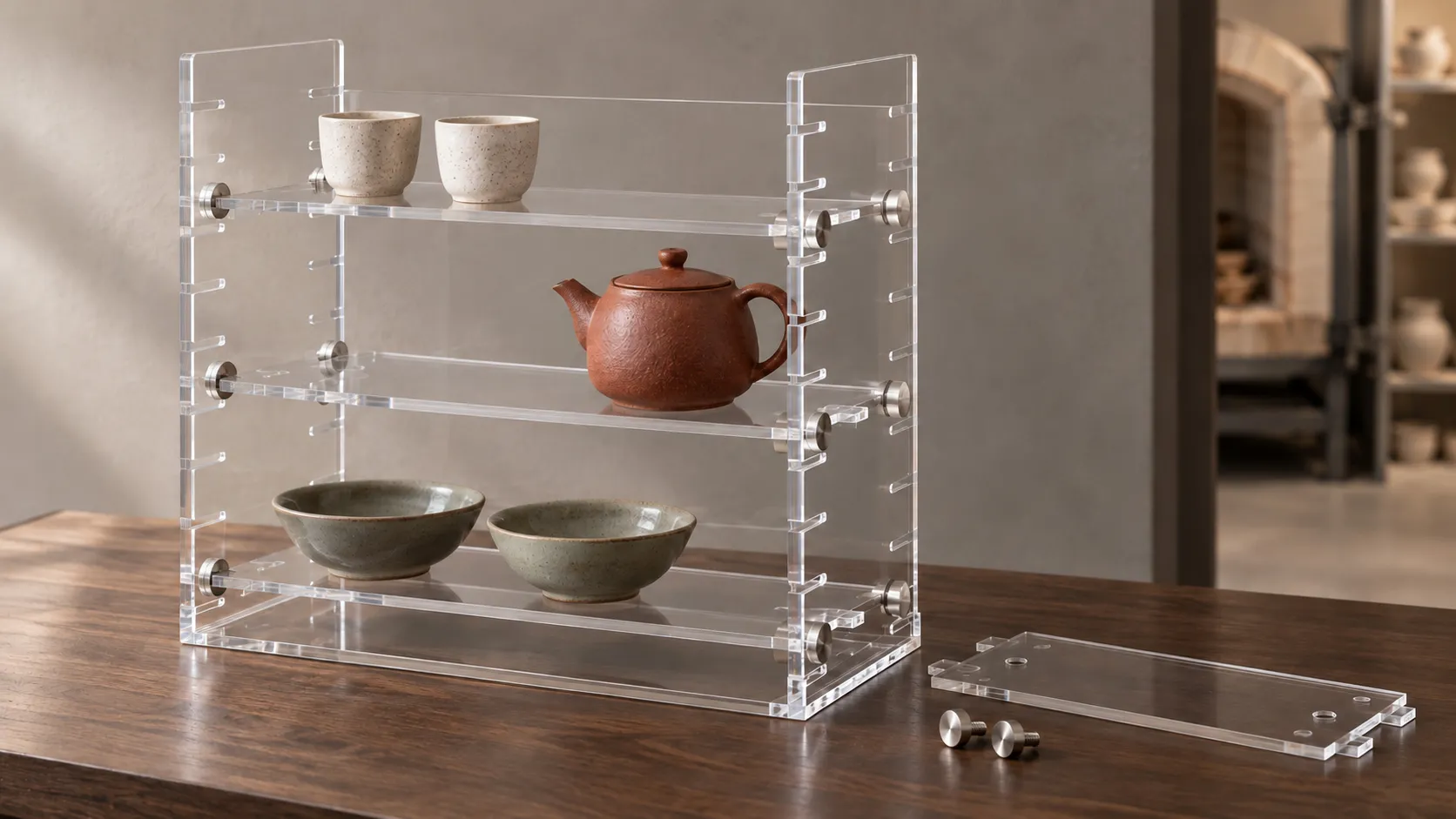
  • ▹ Fixed, modular, stackable or knock-down

Material

  • ▹ Cast acrylic & Extruded acrylic
  • ▹ Clear, Frosted, Colored acrylic
  • ▹ Mirrored & Fluorescent acrylic
  • ▹ Combined with metal, wood, PVC
  • ▹ Composite panel integration
  • ▹ Stainless-steel hardware
  • ▹ Aluminum hardware
  • ▹ Plastic hardware fittings

Access

  • ▹ Open-front structure
  • ▹ Removable cover
  • ▹ Hinged door or lid
  • ▹ Sliding panel mechanism
  • ▹ Magnetic closure systems
  • ▹ Lockable access for security
  • ▹ Removable shelves
  • ▹ Adjustable dividers

Lighting

  • ▹ Non-illuminated structure
  • ▹ Edge-lit acrylic displays
  • ▹ Backlit panel integration
  • ▹ Illuminated base options
  • ▹ Warm, natural or cool white lighting
  • ▹ Single-color & RGB color-changing LEDs
  • ▹ Adjustable brightness
  • ▹ Remote or smart controller

Installation

  • ▹ Countertop placement
  • ▹ Wall-mounted installation
  • ▹ Freestanding structure
  • ▹ Suspended installation
  • ▹ Stand-off mounting hardware
  • ▹ Rotating base mechanisms
  • ▹ Anti-slip feet
  • ▹ Anti-tip fittings & Concealed mounting

Electrical

  • ▹ 12V or 24V configuration
  • ▹ Custom power-supply specification
  • ▹ Regional plug types
  • ▹ Cable length and outlet position
  • ▹ Rechargeable battery option
  • ▹ Dimming & Remote control
  • ▹ Timer or sensor control systems
  • ▹ Indoor/protected outdoor configuration

Branding & Project

  • ▹ OEM branding capabilities
  • ▹ ODM structural design services
  • ▹ Custom logo printing or engraving
  • ▹ Detailed engineering drawings
  • ▹ Prototype production
  • ▹ Custom & Flat-pack packaging
  • ▹ Multi-size product sets
  • ▹ Bulk-order configuration

Extra Functional

  • ▹ Lockable panels for security
  • ▹ Removable dividers
  • ▹ Rotating mechanism integration
  • ▹ Dust-resistant covers
  • ▹ UV-resistant acrylic materials
  • ▹ Anti-static surface treatment
  • ▹ Scratch-resistant coating
  • ▹ Reinforced base or internal frame
  • ▹ Cable-management & Replaceable graphics

Built Around the Approved Acrylic Product Specification

We start every project from actual dimensions and functional requirements, not just visual references. Drawings clearly confirm external dimensions, internal clearance, hole positions, shelf spacing, and installation methods.

A sample can be approved before volume production. Each repeat order references these confirmed dimensions, artwork, and assembly methods to maintain consistency across your rollout.

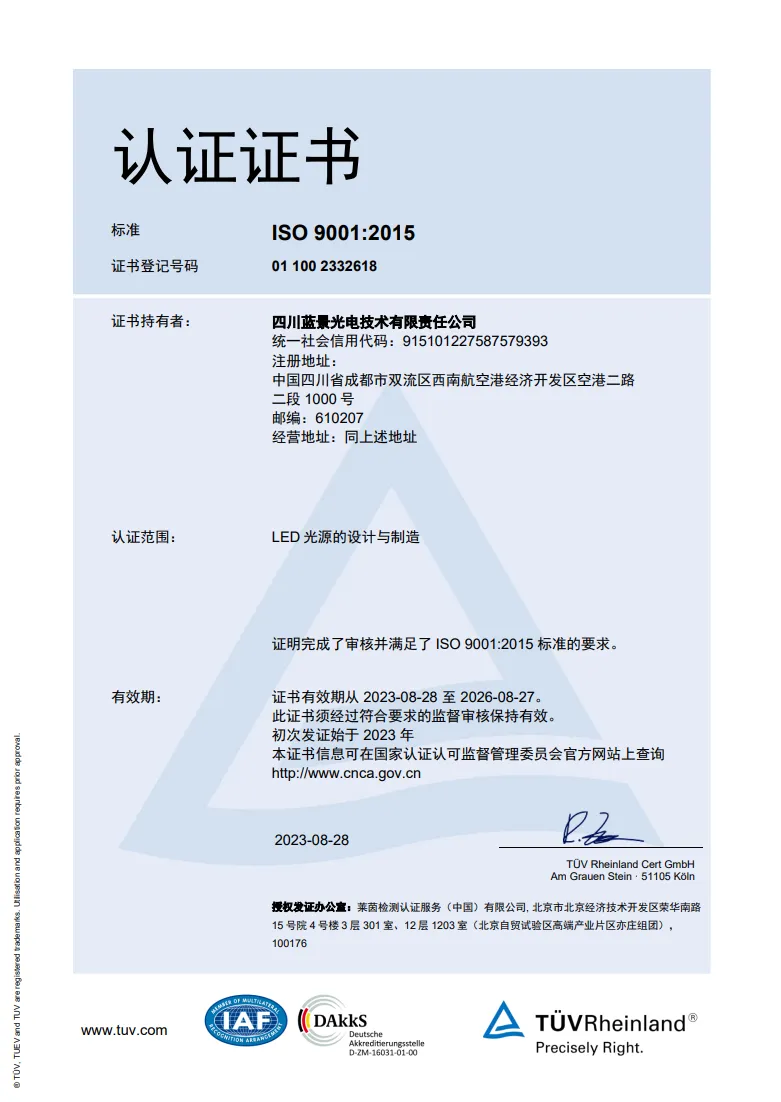
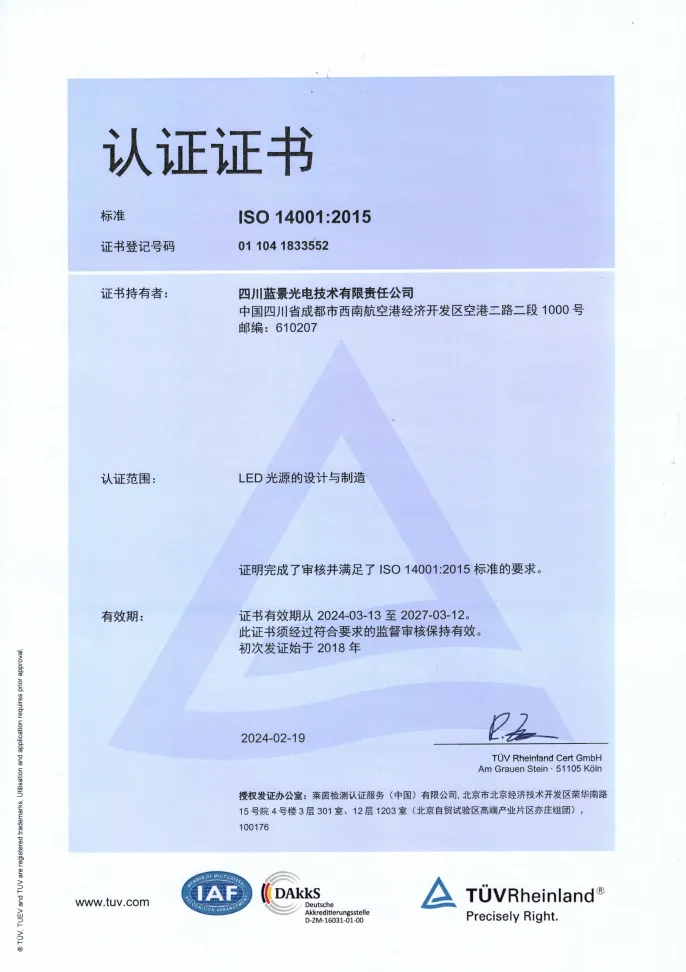
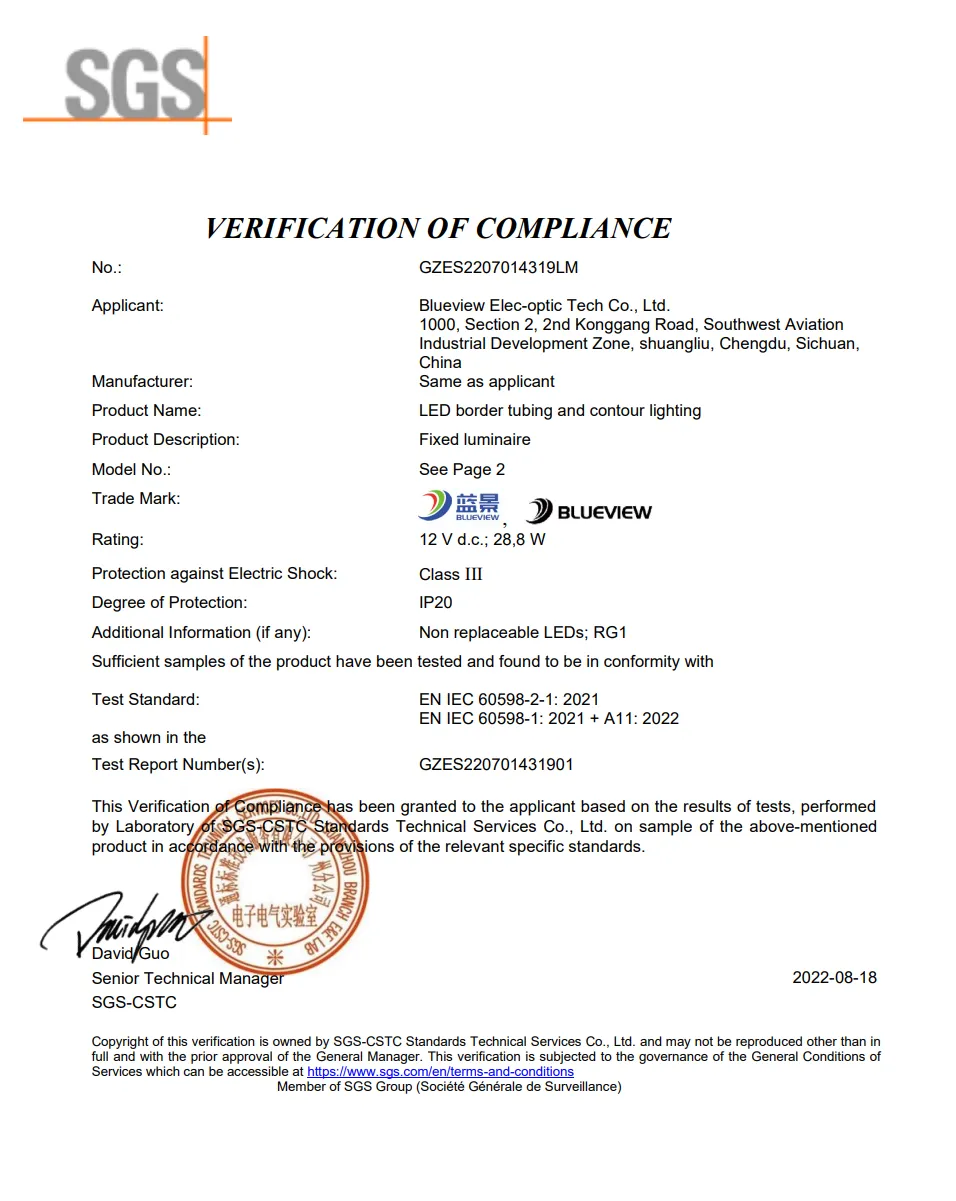
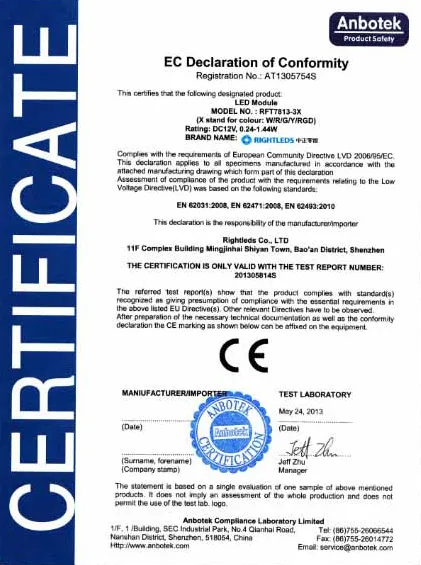
Management systems are ISO 9001:2015 and ISO 14001:2015 certified. CE and RoHS apply specifically to relevant electrical configurations. UL-listed electrical components can be specified when required (this applies to the components, not the entire acrylic assembly).

PDL Sign ISO 9001 Quality Management Certification PDL Sign ISO 14001 Environmental Management Certification CE certification for relevant illuminated electrical configurations RoHS compliance for relevant electrical components Enterprise qualification certificate Business registration certification

Acrylic Display Products for Retail, Exhibitions and Commercial Interiors

Engineered solutions that balance visual presentation with physical security and site constraints.

Retail and Chain-Store Merchandising

Chain retail projects require repeated installations across multiple stores, but available counter space often varies by location. Modular plexiglass display systems with consistent hole positions allow staff to adapt the layout while maintaining uniform brand presentation.

Jewelry and Watch Presentation

A jewelry retailer needs clear product visibility but must limit customer access. A lockable clear acrylic case can combine polished viewing panels with a hinged or sliding access panel, allowing staff to refill the display while reducing direct product handling.

Consumer Electronics Displays

Live electronics require power and security. Countertop acrylic displays can be engineered with routed cable exits, concealed power channels, and anti-theft brackets, ensuring the device remains powered and secure without messy wiring.

Museums, Galleries and Collectibles

Museum exhibits demand pristine viewing without visual interference. Custom display boxes with bonded seams provide a dust-reduced environment. Internal clearance is carefully calculated to ensure artwork never touches the acrylic walls.

Exhibitions and Product Launches

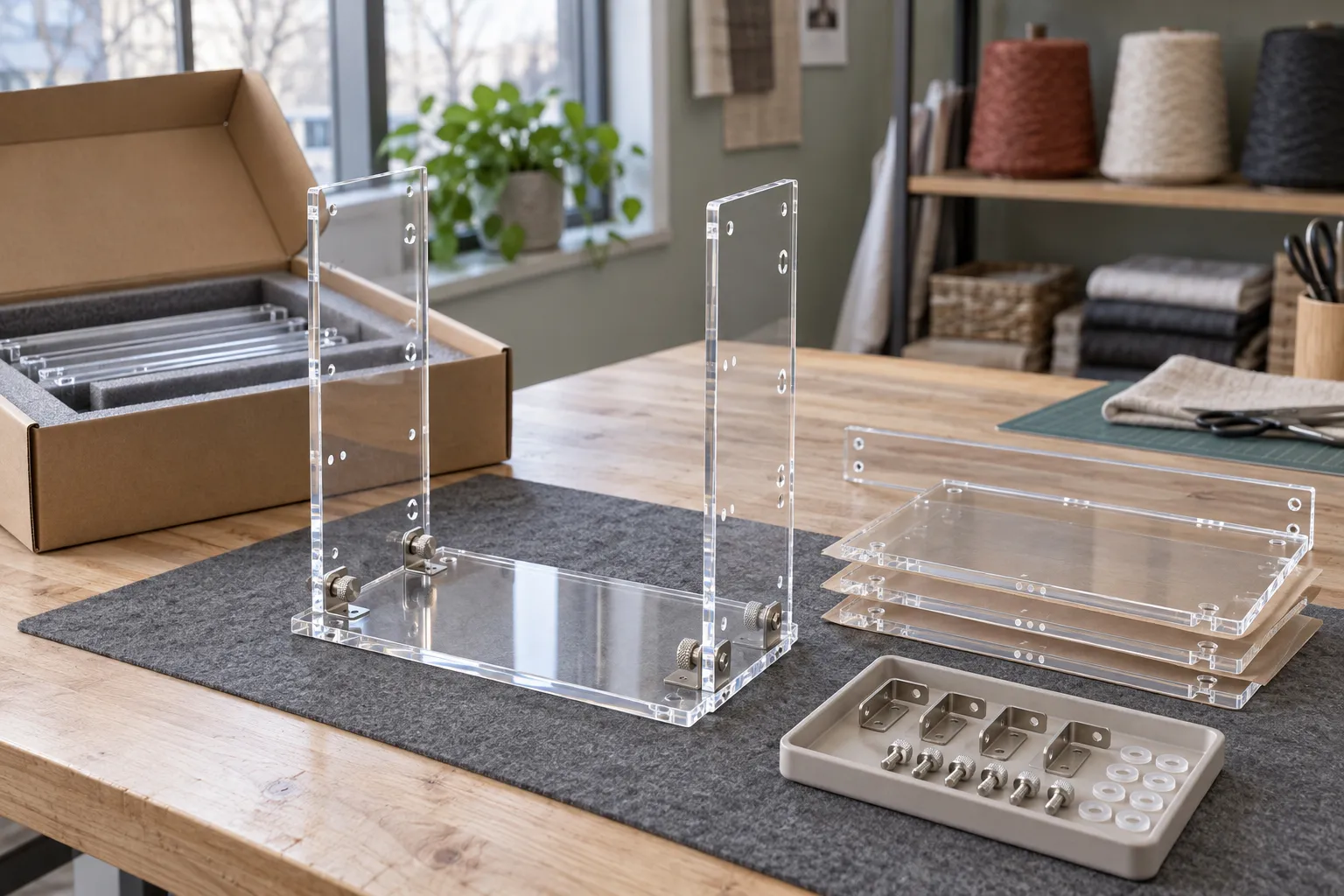
Trade show contractors need to control freight volume and setup time. Knock-down acrylic displays with mechanical slot-and-tab joints reduce shipping cartons and allow field teams to assemble the unit rapidly without specialized tools.

Distributors and Sign Companies

Distributors require reliable inventory management. We support volume orders with consistent CNC-cut dimensions, location labeling, and store-by-store kitting, ensuring each box arrives ready for immediate local dispatch.

Quality Assurance Protocol

Plexiglass Display Purchasing Solutions

Industrial-grade insights to mitigate risks. Review our technical checklist to ensure durability, compliance, and seamless assembly for your custom acrylic projects.

Will the acrylic warp in heat?

Root Cause

High temperature, direct heat exposure, unsupported spans and insufficient expansion clearance can deform acrylic panels. Cast acrylic alone does not eliminate this risk.

Engineering Confirmation

Provide the expected operating temperature and confirm the acrylic grade, sheet thickness, support spacing and thermal-expansion allowance.

Is the material genuine acrylic?

Root Cause

PS, PETG, PVC or recycled acrylic may be substituted when the material specification is unclear.

Engineering Confirmation

State the required material type and grade on the quotation and drawing. Request supplier documentation or a material sample when verification is necessary. RoHS or REACH documents confirm restricted-substance compliance but do not prove that the sheet uses virgin MMA.

How can surface glare be reduced?

Root Cause

Clear acrylic can create reflections when exposed to strong directional lighting.

Engineering Confirmation

Compare clear, matte, frosted and anti-glare acrylic samples under the intended lighting conditions before approving production.

Is acrylic safe for impact-sensitive designs?

Root Cause

Acrylic is stronger than ordinary glass but can still crack under heavy impact or concentrated loads. It should not automatically be described as shatterproof.

Engineering Confirmation

Confirm the expected load and impact requirements. Consider polycarbonate when substantially higher impact resistance is required.

Will custom colors match between batches?

Root Cause

Transparent, translucent and solid-colored sheets can vary by production batch, thickness and lighting conditions.

Engineering Confirmation

Approve a physical master sample from the intended sheet grade and thickness. Use a Pantone reference only as supporting guidance, especially for transparent colors.

Will the order meet the required deadline?

Root Cause

Drawing revisions, prototyping, special-color sheets, heat bending and multi-stage polishing can extend production time.

Engineering Confirmation

Confirm separate timelines for drawing approval, sampling, material preparation, production and packing. Reserve time for sample approval and agree on partial shipment only when necessary.

Will assembly be straightforward?

Root Cause

Unnumbered components, missing hardware and unclear instructions can increase assembly time and errors.

Engineering Confirmation

Request numbered parts, a complete hardware list and illustrated or video instructions. Agree on spare quantities according to the number and importance of small fittings rather than applying a fixed percentage to every project.

Will packaging increase freight or customs costs?

Root Cause

Fully assembled units can create high volumetric weight, while unsuitable wooden packaging may cause import delays.

Engineering Confirmation

Compare assembled and knock-down carton dimensions before ordering. Confirm chargeable weight, corner protection and destination-specific packaging requirements; solid-wood packaging may require compliant treatment or marking, while plywood or non-wood alternatives may simplify handling.

From Approved Drawing to Packed Acrylic Product

Production relies on precise CNC machining and careful assembly. Dimensions are checked against the approved drawing, and hole positions are verified before packing.

  1. 1

    Drawing and dimension review

  2. 2

    Material and thickness confirmation

  3. 3

    CNC or laser cutting

  4. 4

    Heat bending, bonding or mechanical assembly

  5. 5

    Edge polishing and surface finishing

  6. 6

    Printing, engraving or vinyl application

  7. 7

    Trial assembly and functional inspection

  8. 8

    Protective film, packing and shipment preparation

Functional Inspection Items

  • Overall dimensions and internal clearance verified
  • Hole and slot positions aligned
  • Shelf spacing and panel alignment checked
  • Doors and removable covers opened during inspection
  • Adhesive marks and polished edges reviewed
  • Surface scratches checked under light
  • Graphic position matched to artwork
  • Illuminated models powered on before packing
  • Knock-down units trial assembled where required
  • Packaging completeness confirmed
CNC acrylic cutting machine in operation Laser cutting process for precise acrylic fabrication Heat bending acrylic panels for display stands Edge polishing process for clear acrylic displays Final assembly and inspection of custom plexiglass displays

Details That Prevent Fit, Installation and Reorder Problems

By addressing structural and environmental constraints during the drawing review, we minimize site failures.

Project risk What must be checked Recommended response
Product does not fit Internal clearance and access opening Review product dimensions and handling space
Shelf or panel deflection Span, load and acrylic thickness Adjust thickness, support or shelf structure
Difficult staff refill Door direction and access clearance Select hinged, sliding or removable access
Countertop instability Base size and center of gravity Increase footprint or add fixing points
Wall installation mismatch Substrate and mounting-hole positions Confirm wall type and installation drawing
Exposed cables Power-entry and cable-exit positions Add routed cable openings or concealed channels
Freight damage Panel size, corners and assembly method Use protective film, fitted packing and crates where needed
Repeat-order variation Approved drawing and graphic position Record dimensions, holes, artwork and assembly details

What Happens After You Send an Inquiry

A structured process to move from concept to mass production smoothly.

  • 1. Buyer sends dimensions, drawing, photo or reference product.

  • 2. PDL Sign reviews structure, material, access and installation.

  • 3. Open technical points are listed for confirmation.

  • 4. Drawing, artwork and electrical details are approved.

  • 5. Sample is produced when required.

  • 6. Mass production follows the approved specification.

  • 7. Packing details and shipment information are confirmed.

Mutual Confirmations Required:

Size and tolerances, product weight, access direction, mounting holes, artwork files, LED color and voltage, cable exit, plug requirement, assembly method, packaging, destination.

Engineering drawing review for custom acrylic display Technical discussion for plexiglass display fabrication Sample approval process for custom acrylic products Mass production planning for retail display units

Acrylic Material and Fabrication Decisions That Affect the Finished Display

Understanding these technical variables helps ensure your final product performs correctly in its intended environment.

Cast vs. Extruded Acrylic

The choice depends on thickness, fabrication method, and project volume. Cast acrylic handles laser cutting and edge polishing exceptionally well, offering superior optical clarity for thick panels. Extruded acrylic is often selected for thinner profiles, consistent heat bending, and large volume runs where thickness tolerance is critical.

Light Transmission, Haze and Gloss

Transparency is not the only standard. Retail merchandising often prioritizes clear, unobstructed views, while illuminated structures require specific light diffusion properties to manage edge brightness and surface reflection without showing LED hotspots.

UV-Resistant vs. UV-Filtering

These are distinct properties. UV-resistant acrylic maintains its structural integrity and resists yellowing in environments with ultraviolet exposure. UV-filtering acrylic actively blocks specific UV wavelengths from passing through the panel, protecting sensitive displayed items like artwork or documents. Specifications must be confirmed based on material grades.

Crazing and Annealing

Micro-cracking (crazing) can occur due to harsh cleaning chemicals, fabrication stress, flame polishing, or bonding solvents. For complex structures, material selection, controlled machining, and specific annealing processes can be discussed to manage stress, though environmental factors post-delivery also play a role.

Edge Finishing

A machined edge provides a clean, matte structural finish suitable for bonded joints. A polished edge (diamond or hand polished) creates a high-gloss, premium appearance for exposed surfaces. Flame polishing is fast but can introduce localized stress.

Bonded Seams

Solvent bonding creates a strong chemical weld. While we aim for clean bonded joints and visually controlled seams, the final appearance depends on material thickness, joint location, and viewing angle. Anti-static and scratch-resistant options are available upon request, subject to material supply.

Packaging Options for Clear Acrylic Surfaces and Export Delivery

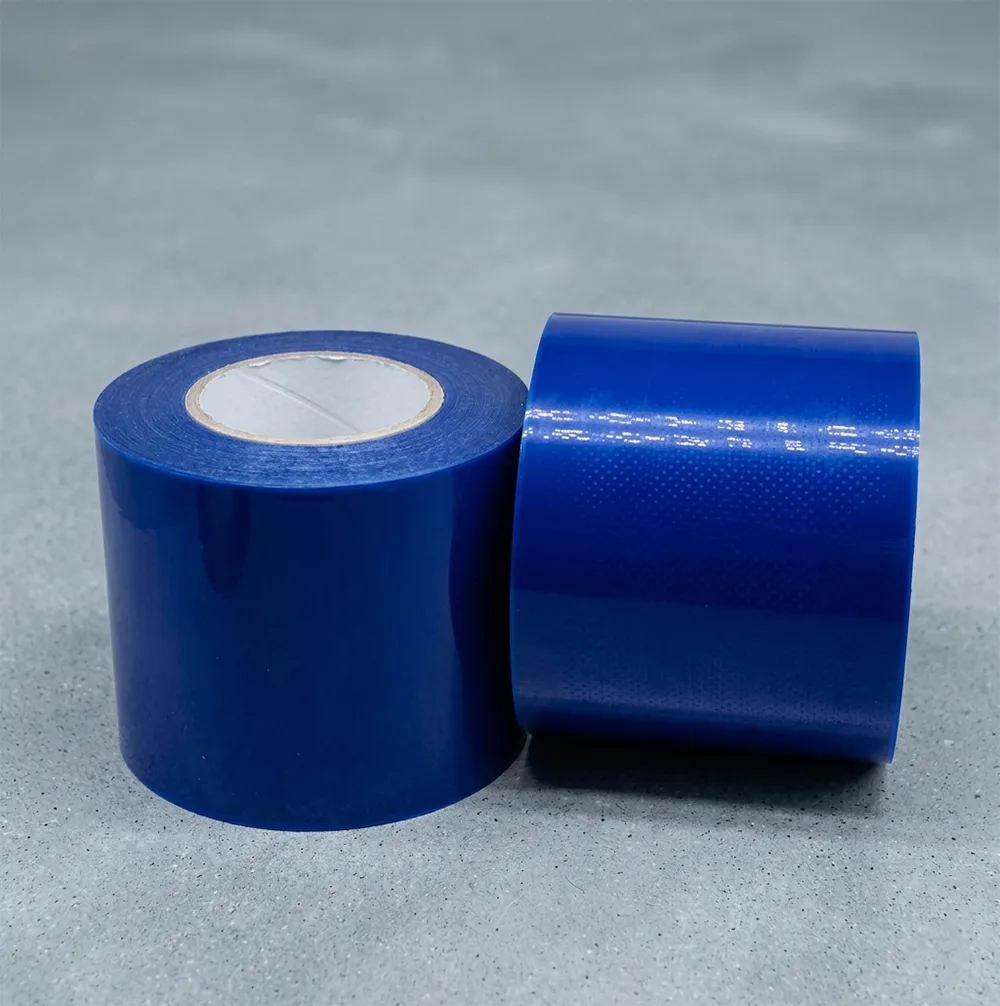
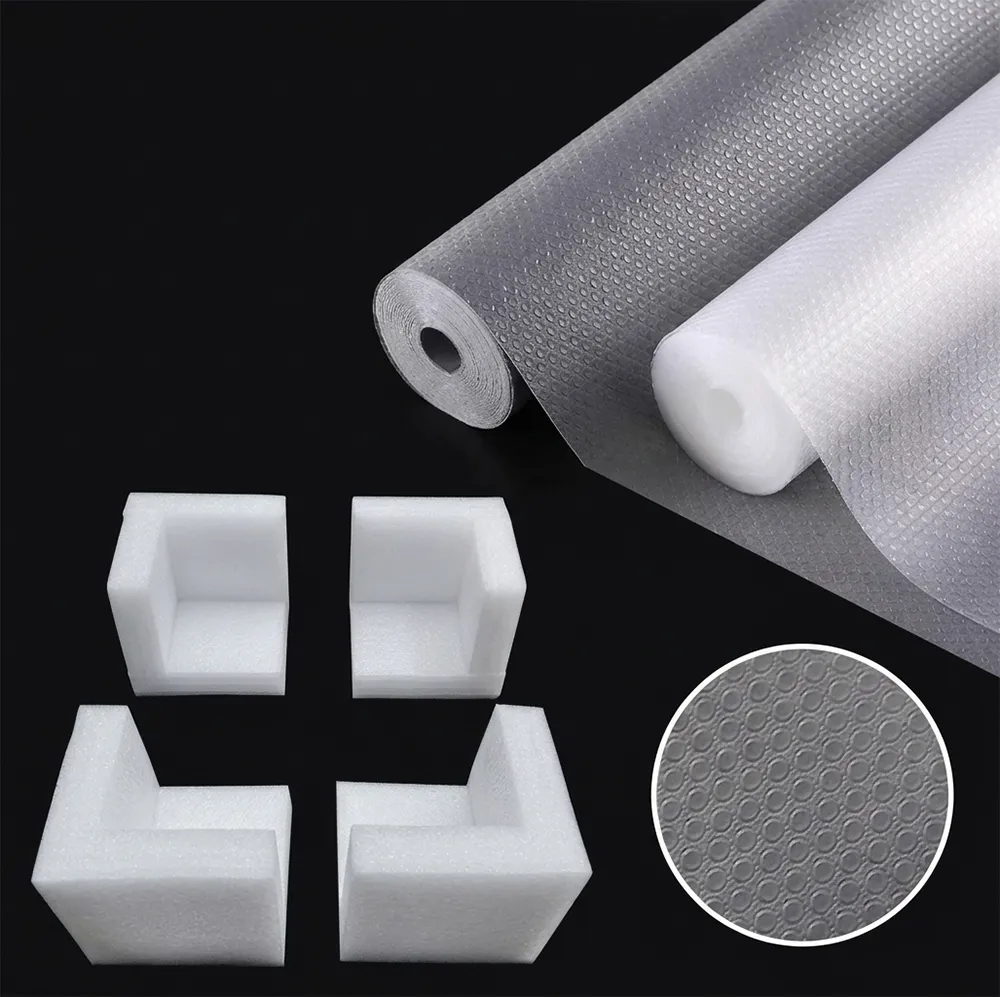
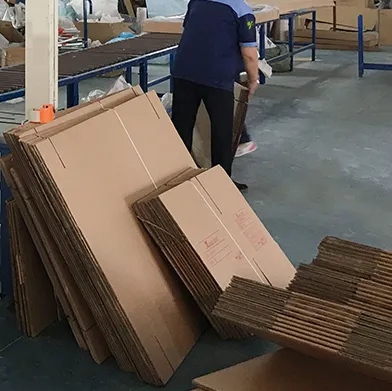
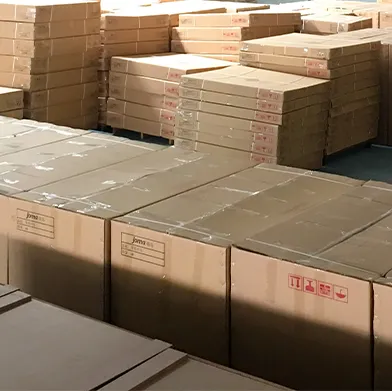
Protective film remains on the acrylic during fabrication and shipping. Edges, corners, door panels, and protruding parts receive individual protection before packing.

Small products can be individually cartoned. For large, fragile, or volume projects, we utilize reinforced cartons or crates depending on the structure.

Knock-down structures can reduce carton volume for distributor orders, provided the assembly method and parts list are confirmed prior to shipment. For chain projects, we offer location labels, carton marks, and store-by-store kitting.

*While we engineer packaging for export, we cannot guarantee zero transit damage; we recommend discussing freight insurance based on your destination.

Individual carton packing for acrylic display products Reinforced crate packaging for large custom plexiglass displays Protective film applied to acrylic surfaces for shipping Knock-down acrylic retail display prepared for export packing

Configure the Acrylic Product Around the Displayed Item

Select the specific features required for your project. (Note: UV, anti-static, and fire-related requirements are subject to applicable standards provided by the buyer).

External size & internal clearance
Clear, frosted, colored or mirrored
Cast or extruded acrylic
Panel and shelf thickness
Open, hinged, sliding or lockable access
Countertop, wall, freestanding or suspended
Assembled, knock-down or stackable
Printing, engraving & vinyl graphics
Edge-lit, backlit, base-lit or RGB
Cable entry & cable management
Adjustable shelves & compartments
Mixed-material parts
Custom shapes
Protective covers
Location labels and project kitting

Plexiglass Display Installation Steps

Proper handling prevents scratches and ensures stability. For wall-mounted units, select appropriate fasteners based on your concrete, masonry, drywall, wood, or metal substrate.

Step 1: Check the Components

Confirm all acrylic panels, bases, shelves, brackets and fasteners against the installation drawing.

Step 2: Assemble the Structure

Connect the base, side panels and shelves using the supplied slots, screws or brackets. Avoid overtightening the screws.

Step 3: Position the Display

Place the display on a clean, level surface. For wall-mounted units, mark and drill the fixing points using the installation template.

Step 4: Secure the Display

Install the mounting screws, wall brackets or anti-tip fittings. Check that the structure is level and stable.

Step 5: Connect the Lighting

For illuminated models, connect the LEDs, controller and power supply according to the wiring diagram. Verify the voltage before powering on.

Step 6: Final Inspection

Remove the protective film, clean the acrylic with a soft cloth, and confirm that all panels, shelves and fittings are secure.

Procurement Guidelines

Technical Knowledge for Professional Acrylic Display Buyers

Understanding acrylic’s optical properties and fabrication behavior helps buyers convert vague requirements such as “high transparency” or “seamless bonding” into measurable specifications and inspection criteria.

These three properties describe different aspects of acrylic appearance:

  • Light transmission: The percentage of visible light passing through the sheet. Certain clear PMMA grades can reach approximately 92%, but the actual value depends on the product grade, thickness and test method. It should not be treated as a universal value for every cast acrylic sheet. PLEXIGLAS technical information
  • Haze: The percentage of transmitted light scattered more than 2.5° from the incident beam under ASTM D1003. A sheet can retain high light transmission while still appearing cloudy because of increased haze. ASTM D1003 reference
  • Gloss: The amount of specular reflection from the sheet surface. Gloss affects whether the surface appears polished, satin or matte but does not directly indicate transparency.
Procurement Note

If optical clarity is critical, specify minimum light transmission and maximum haze together with the test method. A requirement such as “≥92% transmission and ≤0.5% haze” should only be used when the selected sheet grade has documented data supporting those limits.

Acrylic optical testing visualization
Property Technical Function Buyer Verification
UV-resistant Helps the acrylic sheet itself resist yellowing, embrittlement and loss of transparency Confirm the sheet warranty and weathering data
UV-filtering Reduces ultraviolet radiation passing through the sheet Confirm the blocked wavelength range and percentage

UV-filtering performance varies significantly between grades. For example, one specialized conservation-grade sheet filters nearly 100% of UV light at approximately 390 nm, while another non-glare grade provides about 90% UV filtering. Therefore, a general “98%–99% UV blocking” claim should not be applied to every acrylic sheet. ACRYLITE UV-filtering grade, ACRYLITE non-glare grade

Procurement Note

Specify the required UV transmission over a defined wavelength range and request the spectral-transmission data for the exact material grade.

Macro view of material stress and crazing

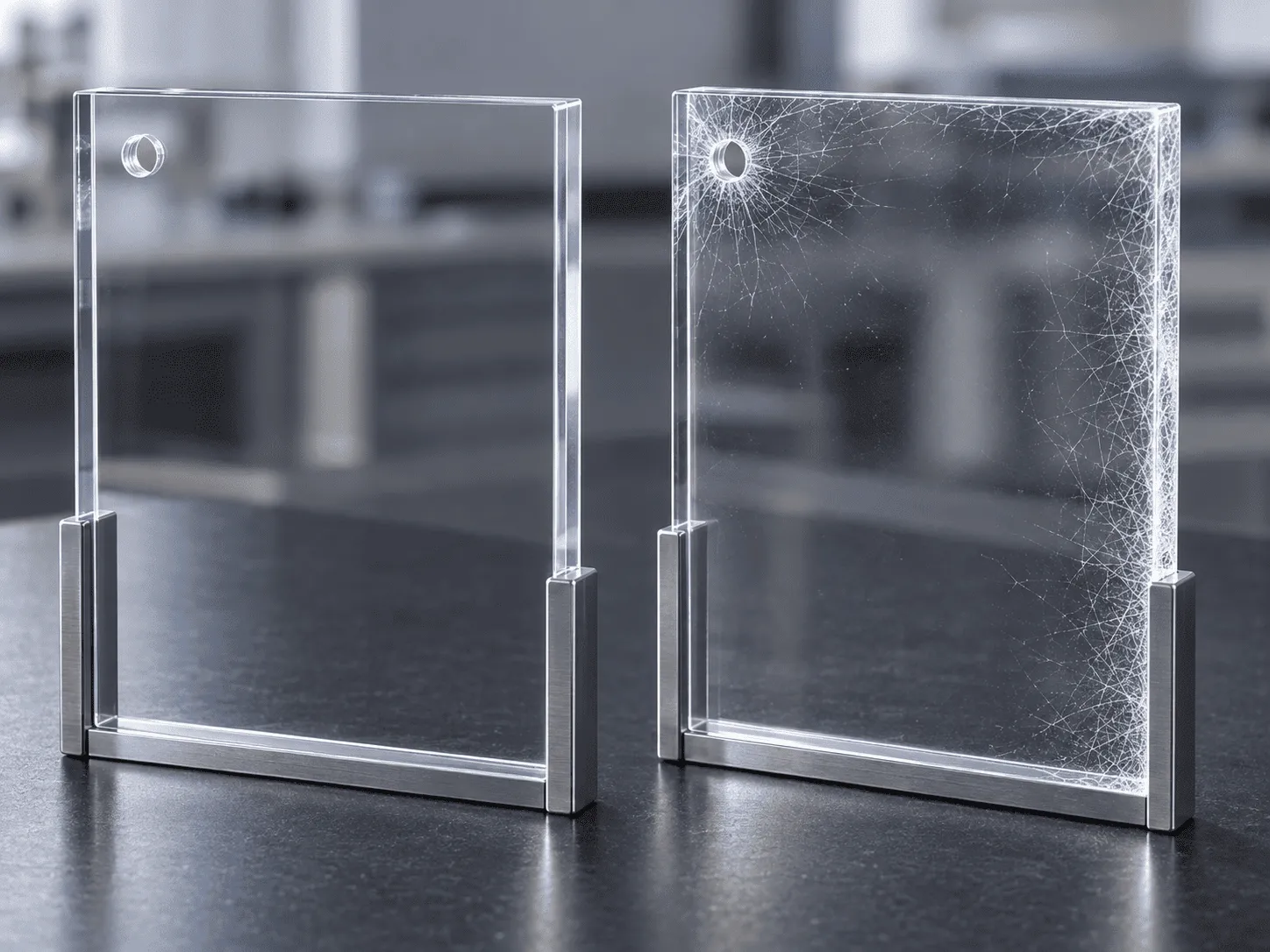
Crazing appears as fine white lines or microcracks on or beneath the acrylic surface. It is commonly associated with residual fabrication stress combined with exposure to incompatible cleaners, adhesives, sealants or solvents.

Laser cutting, drilling, machining, heat bending and flame polishing can introduce residual stress. Annealing may reduce this stress, but the required temperature and duration depend on the acrylic grade, thickness and fabrication history.

Manufacturer guidance commonly specifies controlled heating around 70–82°C followed by slow cooling. Some procedures use two to four hours, while others calculate heating time according to sheet thickness. Annealing should therefore follow the sheet manufacturer’s instructions instead of using one fixed schedule for every product. REF: ACRYLITE annealing guide, PLEXIGLAS bonding guide

Method Result Technical Limitation
Diamond polishing Flat, clear and dimensionally controlled edge Best suited to straight or mechanically accessible edges
Flame polishing Rapidly produces a glossy transparent edge Introduces thermal stress and may require subsequent annealing
Buff polishing Supports shaped edges and gradual gloss improvement Excessive pressure or heat can round edges and introduce stress
Sanded or machined matte edge Creates a uniform non-transparent finish Does not produce a glass-like edge

Flame polishing provides a glossy finish but may not achieve the same flatness as a properly machined and mechanically polished edge. Official fabrication guidance also warns that sudden heating can introduce substantial stress and increase the risk of later crazing. ACRYLITE edge-finishing guide

Procurement Note

Define the required edge appearance and dimensional tolerance instead of specifying “polished edges” without identifying the finishing method.

A well-produced joint can appear nearly colorless and free from bubbles, whitening or cloudiness. However, visibility can still change with the viewing angle, lighting direction, edge preparation, adhesive shrinkage and the optical relationship between the adhesive and acrylic.

It is therefore more accurate to specify:

  • No visible bubbles or whitening
  • No adhesive overflow on visible surfaces
  • Consistent joint width
  • Acceptable seam appearance from an agreed inspection distance and angle

Some acrylic adhesives are documented as producing “virtually colorless” and bubble-free joints, but this does not mean the seam will remain invisible under every viewing condition. REF: PLEXIGLAS ACRIFIX adhesive guide

Standard acrylic is electrically insulating and can accumulate static charge. Anti-static acrylic may use a topical coating, a permanent surface treatment or a modified material formulation.

A fixed range of 10⁶–10⁸ Ω/sq should not be presented as the universal definition of anti-static acrylic. The ESD Association defines static-dissipative materials more broadly as having surface resistance from 1 × 10⁴ Ω to below 1 × 10¹¹ Ω. It also distinguishes surface resistance in ohms from surface resistivity in ohms per square. ESD Association fundamentals

Buyers should confirm:

Target surface-resistance range
Test method (e.g., ANSI/ESD STM11.11)
Test temperature and humidity
Permanent or temporary treatment
Resistance to cleaning and abrasion
Charge-decay or low-charging performance

Note: Resistance alone does not fully describe static-control performance, so projects involving ESD-sensitive components should request a product-specific test report.

Knowledge Base

Technical & Project FAQ

Access expert insights regarding engineering feasibility, compliance standards, and supply chain security for your custom manufacturing projects.

Request Consultation

Pricing & Engineering Feasibility

Why can a smaller plexiglass display cost more than a larger one?
Cost depends on fabrication complexity as well as material usage. CNC machining, multiple heat bends, bonded joints, precision polishing and complex hardware can add more production time than an increase in sheet size.
Do custom acrylic displays require tooling or mold fees?
Laser-cut, CNC-machined, heat-bent and bonded displays generally do not require a production mold. Separate tooling or fixture costs may apply to vacuum forming, deep thermoforming, injection molding or structures requiring dedicated assembly jigs.

Compliance, Safety & Sustainability

Can acrylic displays meet food-contact requirements?
Food-contact suitability depends on the exact acrylic grade and applicable market regulations. For direct contact with unpackaged food, specify a documented food-contact-grade material and request the corresponding declaration or test report before production.
What fire-performance requirements can acrylic displays meet?
Fire performance varies by material grade, thickness and test method. Standard PMMA should not automatically be described as UL 94 HB, V-0 or EN 13501-1 compliant without product-specific documentation. When a project requires a particular rating, the required standard must be confirmed before selecting flame-retardant acrylic or another tested transparent material.
Are plexiglass displays recyclable?
PMMA is a recyclable thermoplastic, but actual recycling depends on local collection and processing facilities. Mechanical connections and separable acrylic, metal and electrical components can make end-of-use sorting easier. Recycled-content acrylic should be supported by material documentation when required.

Supply Chain & Project Security

Can displays be packed into location-specific kits?
Yes, when kitting is included in the order specification. Each carton can be organized by location code, SKU and assembly sequence, with the corresponding components, hardware and packing list. Drop-shipping availability should be confirmed according to the destination and delivery plan.
How are confidential designs protected before launch?
An NDA can be signed before confidential drawings, models or product information are shared. The agreement should define permitted use, file access, prototype handling, design ownership and the return or deletion of project data.
Which file formats support faster quotation and production?
AI, EPS, PDF, DXF and DWG files are suitable for graphics, cutting paths and two-dimensional layouts. STEP, IGES and native CAD files can support manufacturability review, component fit checks and assembly planning. Critical dimensions and material specifications should also be included in the approved drawing.

Build a Plexiglass Display Around Your Product

Send us your product dimensions, counter layout, reference photos, installation conditions, and required quantity. We will assess the internal clearance, material thickness, access method, mounting, and packaging. If your display is illuminated, please include voltage, plug, LED color, and cable exit requirements.

Nick

QR Code for Nick WhatsApp

Devin

QR Code for Devin WhatsApp

Supported formats: PDF, JPG, PNG, STEP, IGES, STL, DWG (Max 20MB)